What is the most expensive part of replacing a roof in Tampa, FL?
Tampa AquaBarrier Solutions
Updated April 2026
Understanding where the money actually goes on a Tampa roof replacement helps homeowners evaluate bids, plan contingencies, and avoid the surprise costs that turn a $10,000 project into a $14,000 one.
Quick Answer
Labor is typically the most expensive single component of a Tampa roof replacement, often accounting for 40 to 55 percent of the total invoice. Materials rank second, with the spread between entry-level 3-tab asphalt shingles and premium architectural shingles or metal roofing creating significant cost variation. Beyond those two primary drivers, decking replacement is the most common source of large unplanned costs: because the Florida Building Code requires damaged decking to be replaced before new shingles can be installed, discovering soft spots or rot during tear-off produces immediate change orders that homeowners who budgeted to the exact bid amount are not prepared for.
Permit fees from Hillsborough County Building and Development Review Services, flashing upgrades, and disposal costs round out the typical cost breakdown, but they are smaller in proportion. What makes Tampa roofing costs distinctive compared to other Florida markets is the wind-resistance requirement built into the Florida Building Code for Hillsborough County's hurricane exposure zone. Those requirements mean contractors must use specific fastening patterns, specific underlayment types, and specific shingle ratings, all of which add labor time and material cost that lower-exposure markets do not carry. The Florida Roofing and Sheet Metal Association notes that skipping any one of those steps to cut cost creates a code violation that can void a homeowner's insurance claim after a storm event.
Key Takeaways
Labor is the single largest cost category on most Tampa roof replacements, typically 40 to 55 percent of the total invoice.
Material grade drives the second-largest cost variable, with metal and tile adding significantly more than asphalt shingles.
Decking replacement is the most common source of large unplanned costs, required wherever the Florida Building Code inspection finds rot or structural damage.
Flashing, permit fees from Hillsborough County BODR, and disposal costs are real but smaller proportional expenses.
Tampa wind-resistance code requirements add labor and material cost that similar-scope jobs in lower-exposure Florida markets do not carry.
Labor CostMaterial CostDecking ReplacementFlashingPermit FeesDisposalWind ResistanceFlorida Building CodeHillsborough County BODRFRSAAsphalt ShinglesMetal RoofingUnderlaymentPitch SurchargeContingency Budget
The short answer
Labor is the biggest single cost, driven by Tampa wind codes, summer heat, and safety requirements on steep roofs.
Material grade is the second biggest lever, with a wide spread between 3-tab shingles and metal or tile roofing.
Decking replacement is the most common large surprise cost, required wherever the Florida Building Code inspection finds damage.
Flashing, permit fees, and disposal are real costs but represent a smaller share of the total compared to the first three.
A 10 to 15 percent contingency budget for decking is the most reliable way to avoid mid-project cost shock in Tampa.
Why is labor so expensive for Tampa roof replacements?
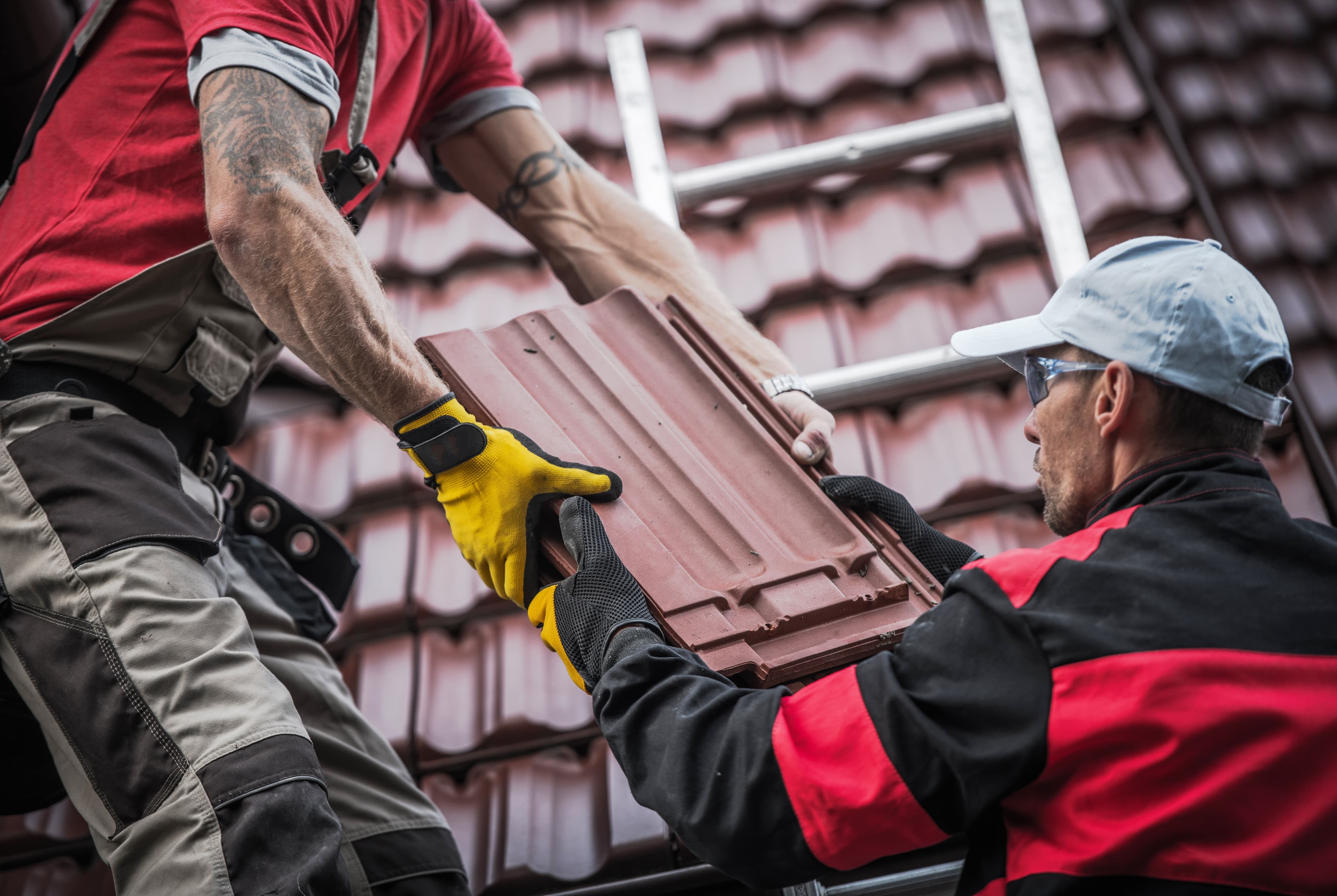
Roofing labor in Tampa carries a premium that reflects both the physical demands of the work and the code requirements unique to Florida's hurricane exposure zone. The Florida Building Code mandates specific fastening patterns (nail count per shingle, nail placement relative to the nail strip), specific underlayment types rated for wind-driven rain, and specific starter strip installation methods that together add time per square compared to installations in lower-risk climates. A crew that works efficiently in a northern state doing three squares per hour may take longer on a Tampa job where every step is inspected against Florida-specific wind resistance standards.
Tampa's summer heat also limits working hours. Crews often start early and end by early afternoon from June through September to reduce heat risk, which extends project timelines and increases total labor hours per job. Hillsborough County BODR requires at least two inspections on a typical replacement (pre-shingle and final), and scheduling those inspections around crew availability adds days to some projects. The Florida Roofing and Sheet Metal Association tracks labor rates by market and notes that Tampa-area labor costs trend above the state average, reflecting the combination of high demand, hurricane season urgency pricing, and code complexity.
How much do materials add to a Tampa roof replacement, and which cost the most?
Material cost on a Tampa roof replacement typically runs from $2.50 to $6.00 or more per square foot of roof surface depending on the shingle type selected, before installation labor. Three-tab asphalt shingles represent the lowest end of the code-compliant range. They are widely available from Tampa-area distributors and carry manufacturer warranties of 20 to 25 years in most cases. Architectural (dimensional) shingles cost roughly 20 to 40 percent more per square but qualify for longer warranty terms and higher wind-resistance ratings, which can produce insurance premium discounts that offset some of the upfront difference over time.
Metal roofing (standing seam or metal shingles) and concrete or clay tile sit at the top of the material cost range. Their lifespan advantage is real, routinely exceeding 40 to 50 years on properly installed Tampa homes, but the upfront material and labor premium is substantial. Because metal and tile require specialized installation training, contractor availability for these systems is more limited in the Tampa market than for asphalt shingles, which can create scheduling delays that indirectly add cost. The Florida Building Code specifies minimum wind ratings for all roofing materials used in Hillsborough County, and all three material categories have code-compliant products at their respective price points.
How does material cost per square compare for Tampa roofing options?
Reading material cost comparisons requires one important caveat: cost per square is not the same as cost per year of performance. A 3-tab shingle at $220 per square with a 20-year lifespan costs roughly $11 per square per year of coverage. An architectural shingle at $320 per square with a 30-year lifespan costs roughly $10.67 per square per year. Metal roofing at $575 per square with a 50-year lifespan costs approximately $11.50 per square per year. In that calculation, all three options are closer in value than the headline price difference suggests. Homeowners planning to sell in the next five years weight this differently than those in a long-term hold, which is why the FRSA recommends evaluating material cost against expected ownership duration before defaulting to the lowest upfront option.
Why does decking replacement surprise Tampa homeowners so often?
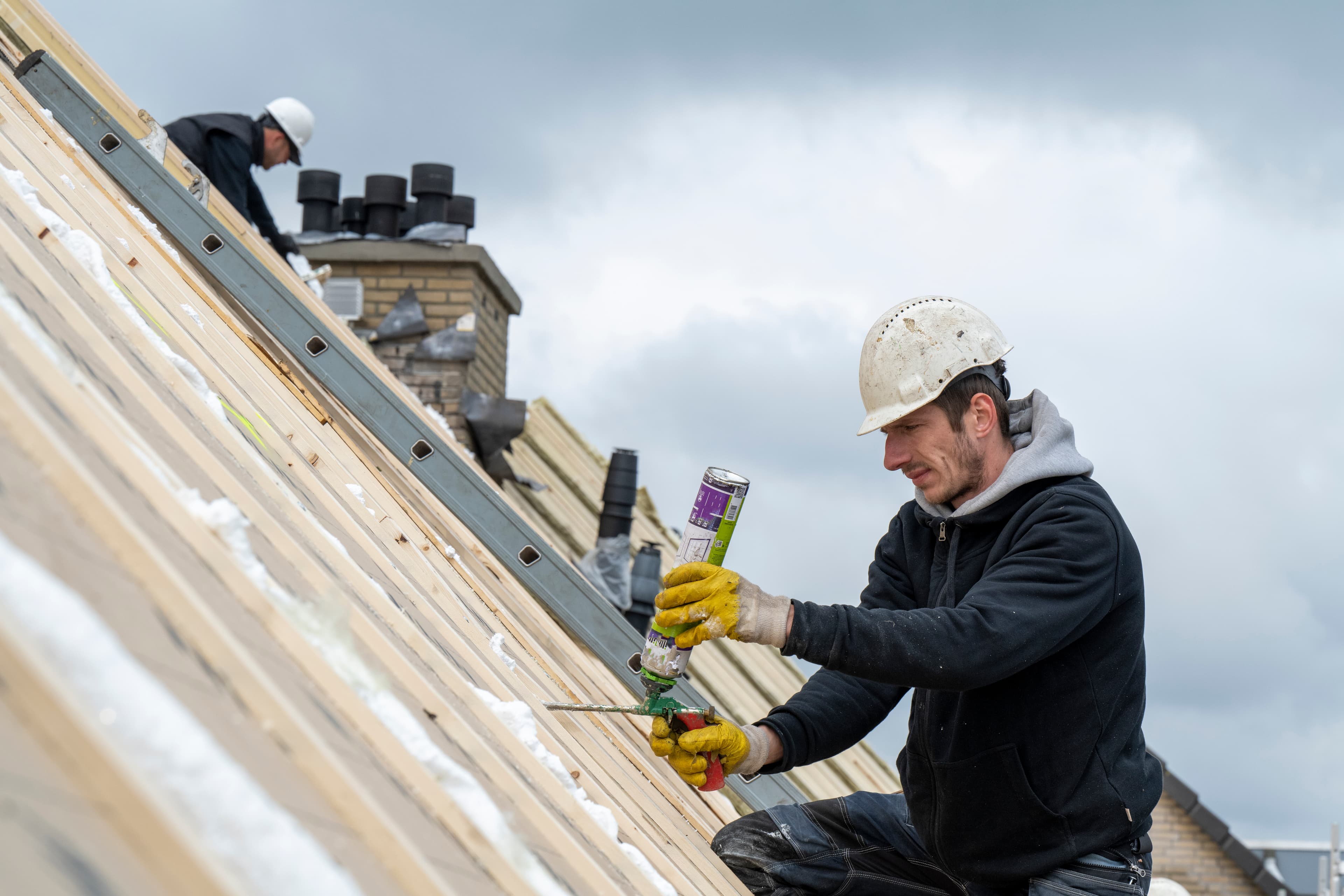
Decking damage is invisible before tear-off. A roof surface that appears functional from the outside may be concealing soft, rotted, or delaminating plywood underneath, particularly in older Tampa homes where decades of humidity cycling have worked through granule-worn shingles or compromised flashing. Contractors who walk a roof before bidding can identify some signs of compromise through surface deflection, but the full picture only emerges once the old shingles are stripped.
The Florida Building Code is not flexible on this point: compromised decking must be replaced before new roofing is installed. Hillsborough County BODR inspectors check decking condition at the required mid-project inspection, and work that does not comply will not pass. Because decking replacement is priced per sheet (typically 4-by-8-foot OSB or plywood panels at $70 to $120 per sheet installed in Tampa), a job that needs 10 sheets of replacement adds $700 to $1,200 to the original bid. Twenty sheets adds $1,400 to $2,400. Homeowners who sign contracts with a zero decking allowance are setting themselves up for that conversation mid-project when backing out or renegotiating is most difficult.
How much can decking add to the total Tampa roof replacement bill?
The most prudent approach to decking cost risk is a direct pre-contract conversation with each bidding contractor. Asking "What is your per-sheet price if we find damaged decking during tear-off?" gives a number to evaluate across three bids and a basis for contingency planning. A contractor who refuses to quote a per-sheet rate, or who insists there will definitely be no decking issues without having seen the underside of the roof, is providing incomplete information. The Florida Roofing and Sheet Metal Association recommends that homeowners request a written decking allowance disclosure in every contract.
Tampa homes built before 1980 carry higher decking replacement risk than newer construction because original plywood and board sheathing materials age differently than modern OSB panels. Homes in Seminole Heights, South Tampa, and similar older submarkets should budget a larger decking contingency than homes in master-planned communities like Westchase or New Tampa where construction is more recent. A 10 to 15 percent contingency applied to the base bid amount is a reasonable starting point for most Tampa homeowners, with older homes warranting the higher end of that range.
Are flashing, permit fees, and disposal costs worth worrying about in Tampa?
Flashing upgrades are required by the Florida Building Code whenever a new roof is installed and the existing flashing shows deterioration or is not to current code standard. Valley flashing, step flashing at chimneys and vertical walls, drip edge replacement, and pipe boot flashing are the most commonly replaced components. The total cost for flashing on a typical Tampa home runs from $400 to $1,200 depending on the number and type of penetrations, slope changes, and transition points. It is a real cost that should appear as a line item on every itemized bid, and a bid that omits flashing language entirely should prompt a clarifying question.
Hillsborough County BODR permit fees for roof replacement are calculated based on the declared replacement value and typically fall between $150 and $400 for a standard residential job. Disposal costs for old shingles, felt, and debris vary by home size and haul distance but commonly add $300 to $700. Both are relatively small proportional costs compared to labor and materials, but they should be present on any honest itemized bid. A quote that lists a single-line total without breaking out permit fees and disposal is obscuring information that the homeowner is entitled to see before signing.
How does Tampa home age affect total replacement cost risk?
Older Tampa homes carry higher decking risk regardless of which material is being installed as the new roofing system. The building envelope has experienced more humidity cycles, more storm events, and more years of thermal expansion and contraction than newer construction. Pre-1980 homes also tend to have original board sheathing rather than modern plywood or OSB, and the two materials respond differently to the standard mid-project Florida Building Code inspection. Contractors experienced with older Tampa homes can often give a more accurate decking risk assessment during the estimate visit than those who primarily work newer construction.
How do the most expensive parts of roof replacement vary by Tampa neighborhood?
South Tampa's concentration of pre-1960 homes means decking replacement is the most common cost surprise in this area, with many jobs uncovering original 1x6 or 1x8 board sheathing that requires partial or full replacement to meet current Florida Building Code standards. Homeowners in Davis Islands and Hyde Park specifically should budget a higher decking contingency than the Tampa-wide average.
What do Tampa homeowners and property managers ask about roof replacement costs?
Labor is typically the largest single line item on a Tampa roof replacement, representing 40 to 55 percent of the total project cost on most residential jobs. Material costs follow closely and vary significantly based on the shingle type chosen, with the gap between entry-level 3-tab shingles and architectural shingles or metal roofing producing the widest cost difference among material grades.
Yes. Decking replacement is one of the most common and largest surprise costs on Tampa roof replacements. The Florida Building Code requires that damaged or rotted decking be replaced before new roofing is installed, and inspectors from Hillsborough County BODR verify compliance at the mid-project inspection. Homeowners should request a per-sheet decking replacement price from their contractor before signing to understand the potential additional exposure.
Tampa's hurricane exposure zone requires contractors to install shingles and flashing to specific wind-resistance standards under the Florida Building Code, which adds steps and materials compared to interior Florida or other states. The physical demands and safety requirements of roofing also limit crew size and working hours, especially during Tampa's summer heat, which increases labor cost per square.
Hillsborough County BODR permit fees for a roof replacement typically range from $150 to $400 depending on the declared replacement value of the project. These fees are set by the county and are non-negotiable, though they represent a smaller portion of total project cost compared to labor and materials. The permit covers required inspections that protect homeowners from code violations and insurance complications.
The Florida Building Code requires that deteriorated or non-compliant flashing be replaced when a new roof is installed. Valley flashing, step flashing at chimneys and walls, and drip edge are the most commonly replaced components. Flashing replacement adds cost but is required for the Hillsborough County BODR inspection to pass and for the new roofing warranty to be valid.
Yes. Steeper roofs require more safety equipment, slower crew movement, and more material per square foot of covered area. Contractors in Tampa commonly apply a pitch surcharge for roofs above a 7:12 slope, and some very steep roofs require specialty staging equipment that adds to total project cost. A low-slope or flat-roof section may require a different material system entirely, such as modified bitumen or TPO.
Getting three itemized bids from FRSA-member contractors, setting aside a 10 to 15 percent contingency for decking, and scheduling during low-demand months (November through March) are the most reliable approaches. The Florida Roofing and Sheet Metal Association recommends verifying that each bid includes a decking allowance and itemized flashing scope so comparisons are meaningful rather than misleading.
What should Tampa homeowners do right now to prepare for replacement costs?
1. Request itemized bids
Ask for separate line items for materials, labor, decking allowance, flashing, permit, and disposal so you can compare bids honestly.
2. Ask about decking risk
Get a per-sheet decking replacement price from each contractor and ask whether they see any surface indicators of deck compromise during the estimate visit.
3. Set a contingency
Budget 10 to 15 percent above the base bid for decking and flashing surprises, especially on pre-1990 homes or properties with visible granule wear.
4. Verify FRSA membership
Confirm that each bidding contractor holds an active Florida Roofing and Sheet Metal Association membership and a valid Hillsborough County license before signing anything.
The most expensive part of replacing a roof in Tampa is not always the same line item on every project, but labor and materials consistently account for the largest share, and decking consistently produces the largest surprises. Homeowners who ask the right questions before signing, who set aside a realistic contingency, and who verify that their contractor meets Florida Building Code and FRSA standards are the ones who reach final inspection without sticker shock. The Florida Building Code and Hillsborough County BODR requirements that drive some of those costs also provide the protection that makes a Tampa roof genuinely wind-resistant when the next storm season arrives.