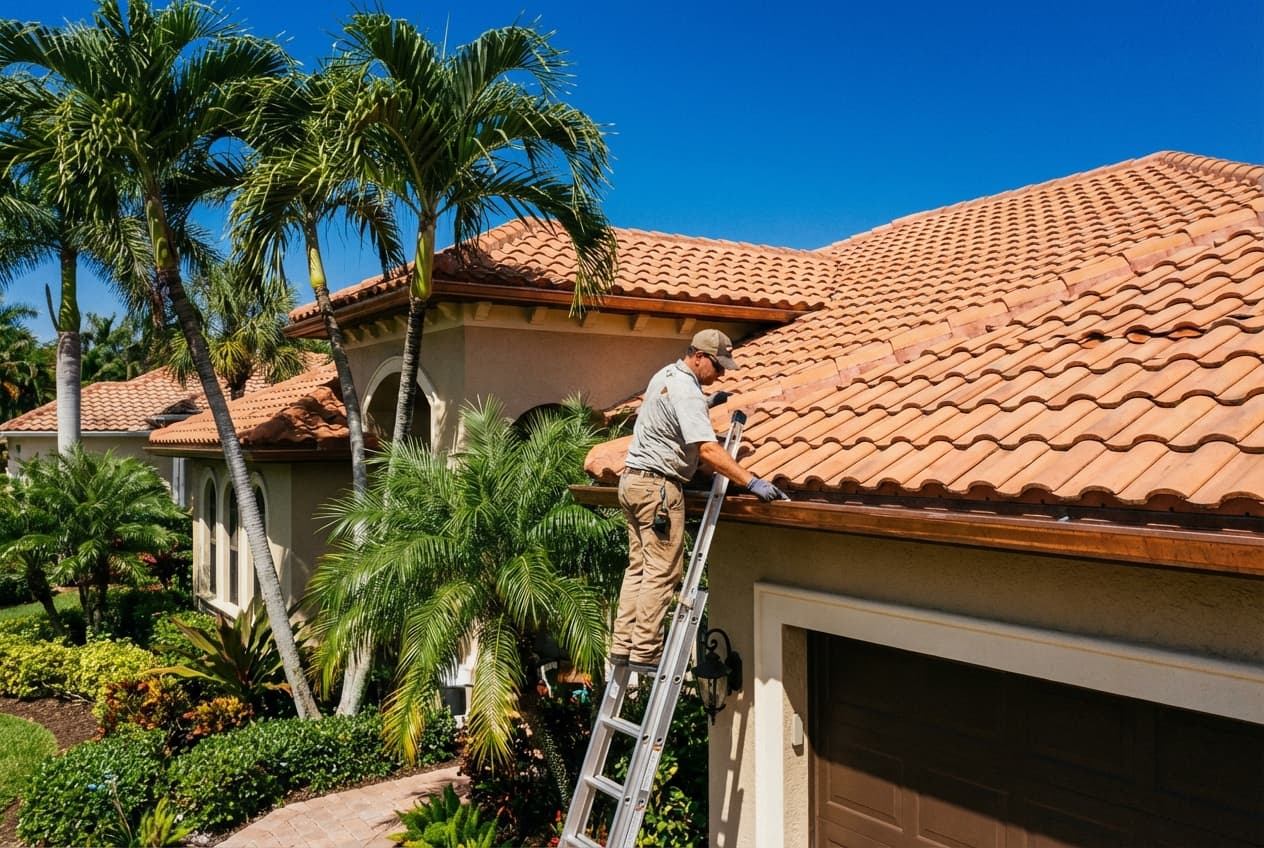
Hillsborough County Roofing Permits: What Tampa Homeowners Need to Know
Do you need a permit to replace your roof in Tampa or Hillsborough County? Learn when permits are required, what inspections to expect, and why skipping permits costs more than the fee.
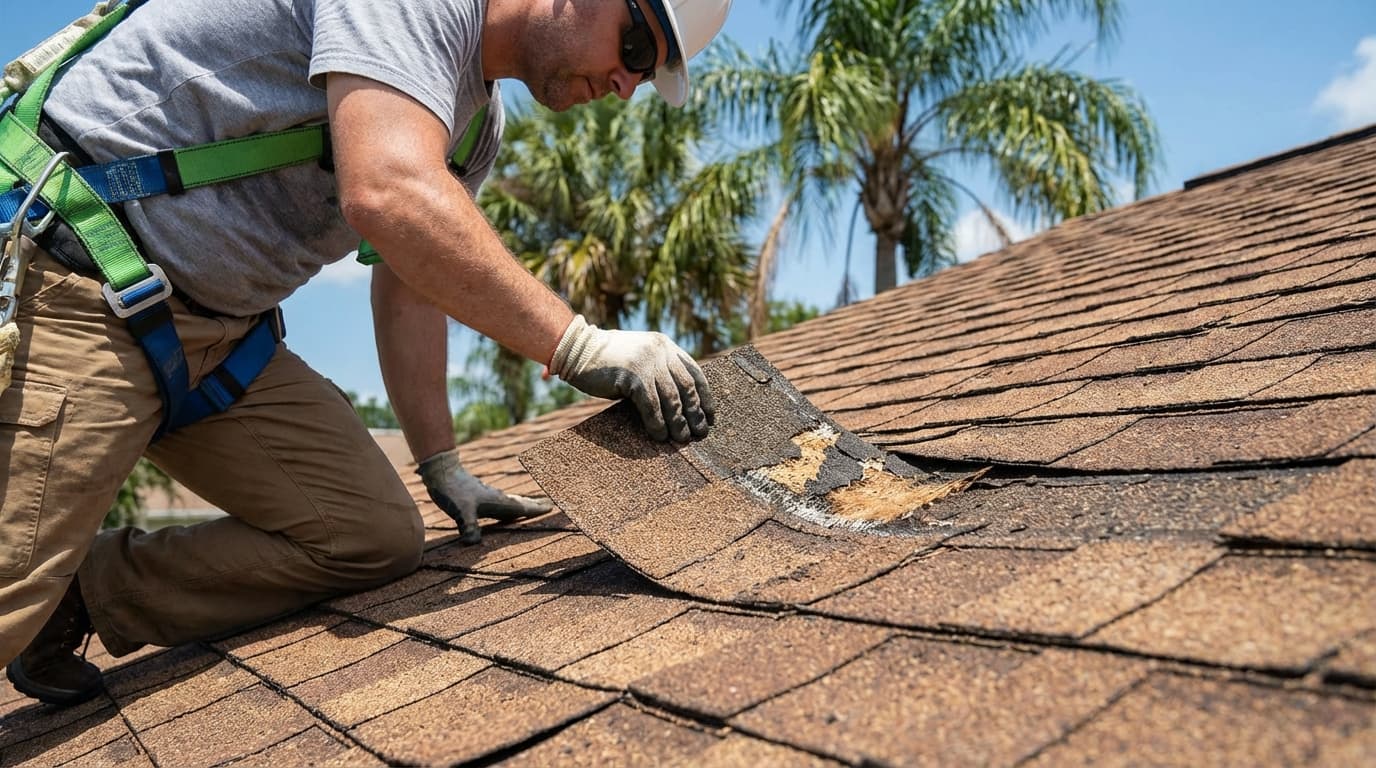
One of the questions we get most often before a roofing job in Tampa is whether a permit is actually required. The honest answer: in most cases, yes — and skipping it creates problems that are significantly more expensive than the permit fee.
Here is what Hillsborough County requires, what the process looks like, and why it matters for your home's insurance coverage and resale value.
When Is a Roofing Permit Required in Hillsborough County?
Permit required:
- Full roof replacement (tear-off and re-roof)
- Replacement of more than 25% of the existing roof surface
- Any structural work to rafters, trusses, or decking
- New roof construction
Permit typically not required:
- Minor repairs to small areas (patching, replacing a few shingles)
- Routine maintenance (sealant, flashing caulking)
- Emergency tarping
The practical threshold is the Florida 25% rule. If your contractor is replacing more than a quarter of your roof surface area in a 12-month period, the work must be permitted and brought to current code. This isn't optional — it's Florida Statute 553.
What the 25% Rule Means in Practice
Florida Building Code Section 706 requires that when 25% or more of a roof surface is replaced within a 12-month period, the entire roof must comply with current code requirements. For most Hillsborough County homeowners, this triggers:
- Secondary water barrier: Peel-and-stick underlayment applied to the entire deck before any surface material goes on. This is what prevents water intrusion if the outer surface is compromised in a hurricane.
- Drip edge installation: Required at all eaves and rakes under current code.
- Updated fastening patterns: Higher nail density than older code — typically 6 nails per shingle versus the 4-nail standard from pre-2002 installations.
- Deck replacement: Any decking that fails inspection must be replaced, which is common on roofs older than 20 years.
These upgrades add cost, but they also substantially improve wind performance. Roofs installed to current code with proper secondary water barriers have significantly better outcomes in hurricane events than those installed to 1990s-era standards.
How to Pull a Roofing Permit in Hillsborough County
Permits are issued through Hillsborough County's Building Services Department. The process:
1. Contractor submits permit application
A licensed contractor submits an application through the county's permitting portal. The application includes the scope of work, contractor license number, and proof of insurance. Homeowners can also pull owner-builder permits for their primary residence, but this waives contractor accountability.
2. Permit fee is paid
Hillsborough County roofing permit fees are calculated based on the value of the work. A typical residential re-roof permit runs $150 to $400 depending on project scope. This fee is included in any legitimate contractor estimate — it is not an add-on.
3. Permit is issued
Electronic permits are typically issued within 1 to 3 business days for standard residential roofing. The permit must be displayed or available on the job site.
4. Work is inspected
Roofing permits require at least one inspection — typically a final inspection after the roof is complete. Some projects require an in-progress inspection at the deck stage (before surface material goes on) so the inspector can verify secondary water barrier installation.
5. Permit is closed
After the final inspection passes, the permit is closed. Your job record is now part of the public permit history on your property.
Why Unpermitted Roofing Work Creates Problems
Contractors who offer to skip the permit are usually trying to cut corners on code compliance, not just save paperwork. The problems this creates for homeowners are concrete.
Insurance claims can be denied.
Florida property insurers increasingly cross-reference permit records when processing claims. If your roof was replaced without a permit and you file a wind damage claim, your insurer has grounds to question whether the installation met code. We have seen claims significantly reduced or denied because the prior installation had no permit record.
Sale can be blocked or delayed.
Real estate transactions in Florida typically include a permit and code compliance review. An unpermitted roof that shows up in the permit search — or an inspection that identifies unpermitted work — can delay closing or require remediation at the seller's expense. Buyers' attorneys in Hillsborough County routinely pull permit histories.
You inherit code violations.
If you buy a home with an unpermitted roof and later need to permit any additional work on the structure, you may be required to address the prior unpermitted work before new permits are issued.
Code upgrade costs don't disappear — they just get deferred.
A contractor who avoids the permit is usually also skipping the secondary water barrier, drip edge, and updated fastening that current code requires. Those items add $1,500 to $3,000 to a typical re-roof. You get an artificially low bid, but your roof underperforms in the next hurricane.
What to Ask Your Roofing Contractor About Permits
Before signing any contract for roof replacement work in Tampa or Hillsborough County:
- "Will you pull the permit or will I?" — Your contractor should pull and manage the permit. Owner-builder permits shift all responsibility to you.
- "Is the permit fee included in this estimate?" — It should be. If it shows up as a surprise add-on later, that's a red flag.
- "Will the job include a secondary water barrier?" — If the answer is no or vague on a full replacement job, they are not planning to meet current code.
- "Can you provide your DBPR license number?" — Verify it at myfloridalicense.com before work begins. Our license is CCC1334952.
Thonotosassa Permit Requirements
Thonotosassa is an unincorporated community within Hillsborough County, so roofing permits are issued through Hillsborough County Building Services — the same process and requirements as Tampa. There is no separate municipal permitting layer.
If your property is within an HOA, check your governing documents as well — some Thonotosassa communities require HOA architectural review approval before exterior work, separate from the county permit process.
Summary
Most roof replacement work in Tampa and Thonotosassa requires a Hillsborough County permit. Pulling that permit ensures your installation meets current wind resistance and water intrusion codes, creates a documented record for insurance purposes, and protects your home's resale value.
Any contractor who suggests skipping the permit is telling you something important about how they approach the rest of the job.
AquaBarrier pulls permits on every replacement job in Hillsborough County as standard practice. If you have questions about your specific project scope, call us at (813) 324-6813 — we're happy to walk through what's required before you commit to anything.