How to Prepare Your Roof for Hurricane Season in Tampa Bay
A step-by-step guide to getting your roof hurricane-ready, from inspections to emergency planning for Tampa Bay homeowners. Expert preparation tips from licensed roofing professionals.
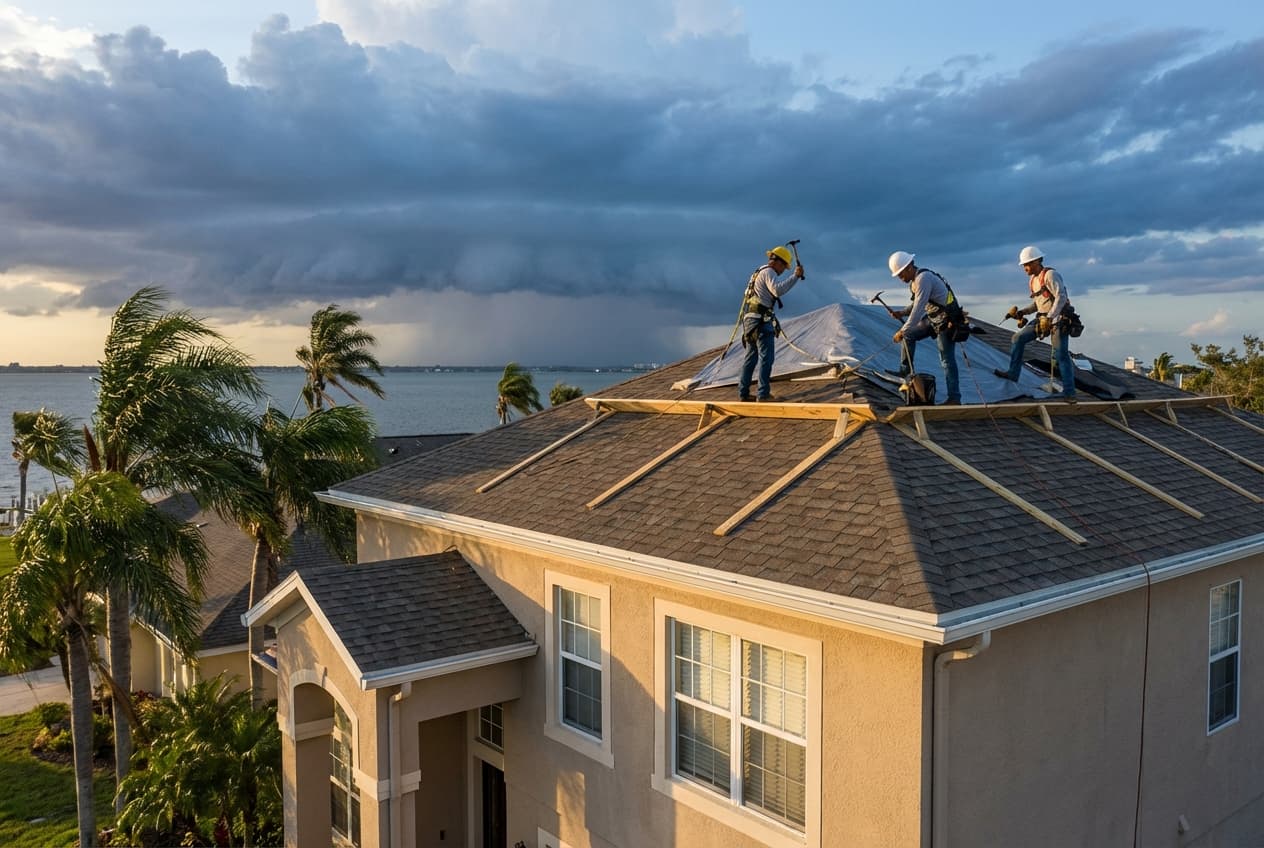
Hurricane season runs from June 1 through November 30, and for Tampa Bay homeowners, preparation isn't optional - it's essential. Your roof is the single most critical component protecting your home from hurricane-force winds that regularly exceed 100 mph and torrential rainfall that can dump 10+ inches in a single storm event.
According to FEMA, roof damage is the leading cause of structural failure during hurricanes, and Tampa Bay's geographic position on Florida's Gulf Coast makes it one of the most hurricane-vulnerable metro areas in the United States. After more than 15 years of inspecting and repairing roofs across Hillsborough County, we've seen firsthand how proper preparation separates homeowners who weather storms safely from those facing catastrophic damage and five-figure repair bills.
This guide covers every step you need to take - based on our field experience and Florida Building Code requirements - to make sure your roof is ready.
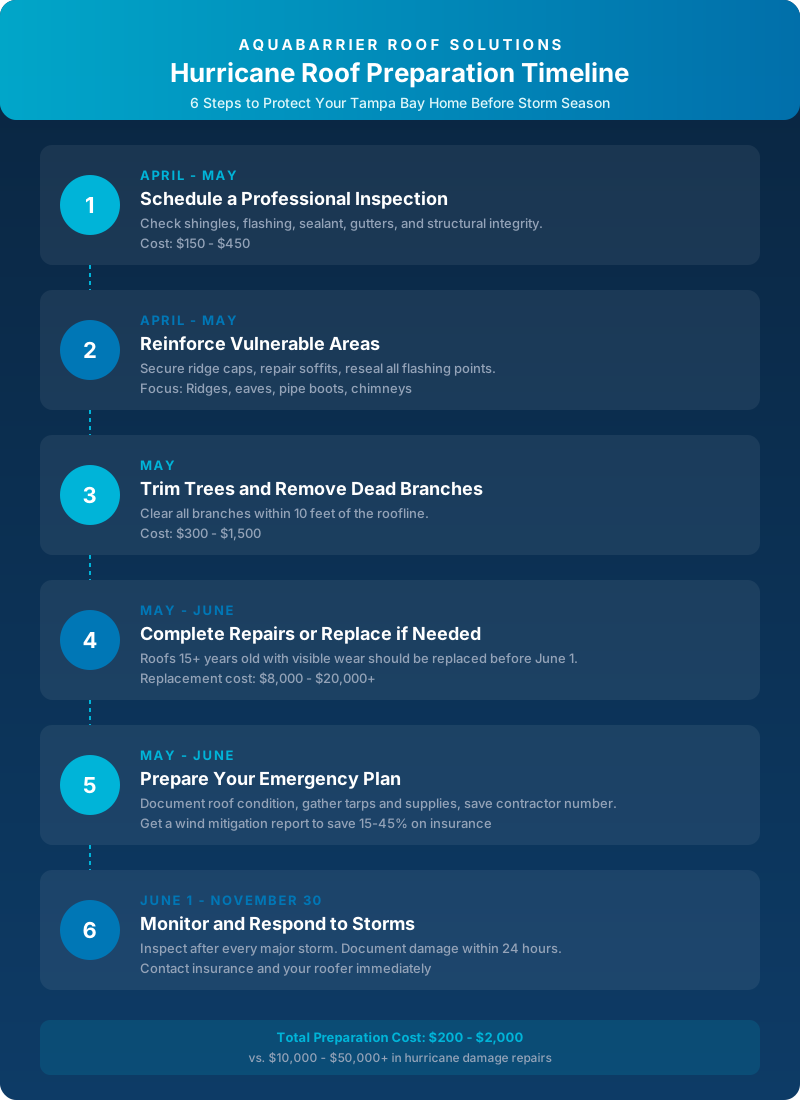
Why Should You Get a Roof Inspection Before Hurricane Season?
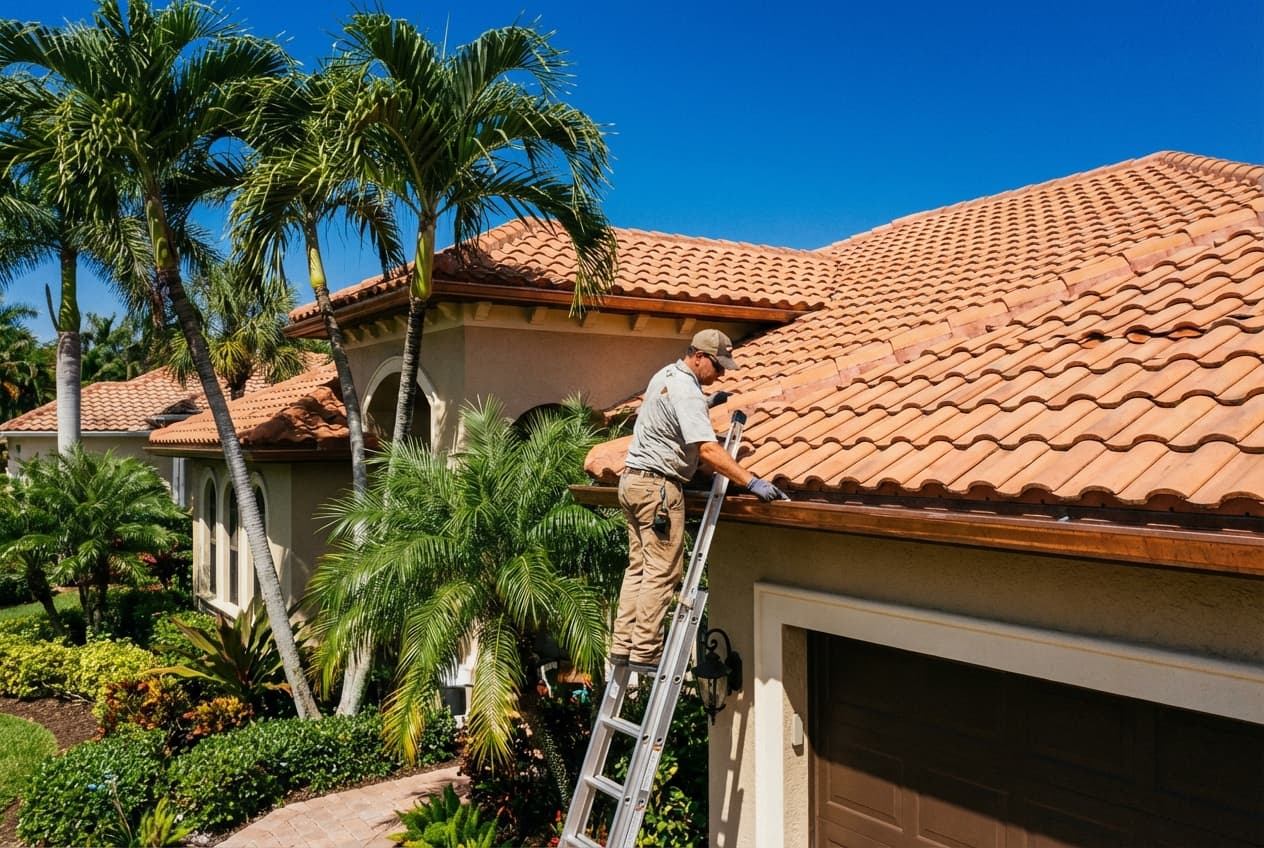
A professional roof inspection before hurricane season is the single most important step you can take because it identifies hidden vulnerabilities that are invisible from the ground. Most homeowners are unaware of deteriorating flashing, loose fasteners, or compromised underlayment until water is already pouring through their ceiling during a storm.
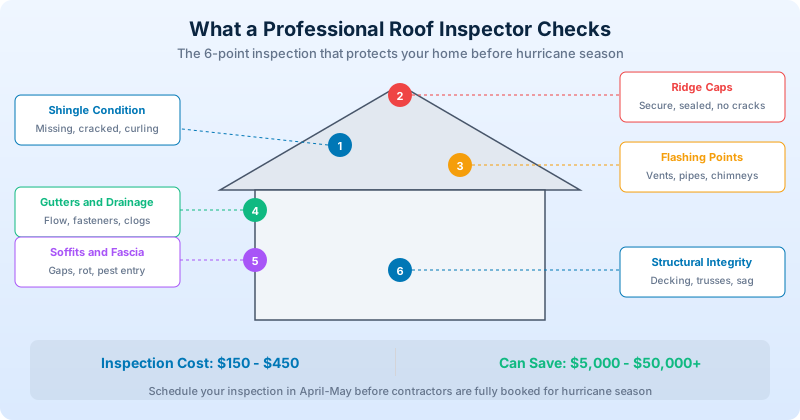
A qualified, licensed inspector will evaluate:
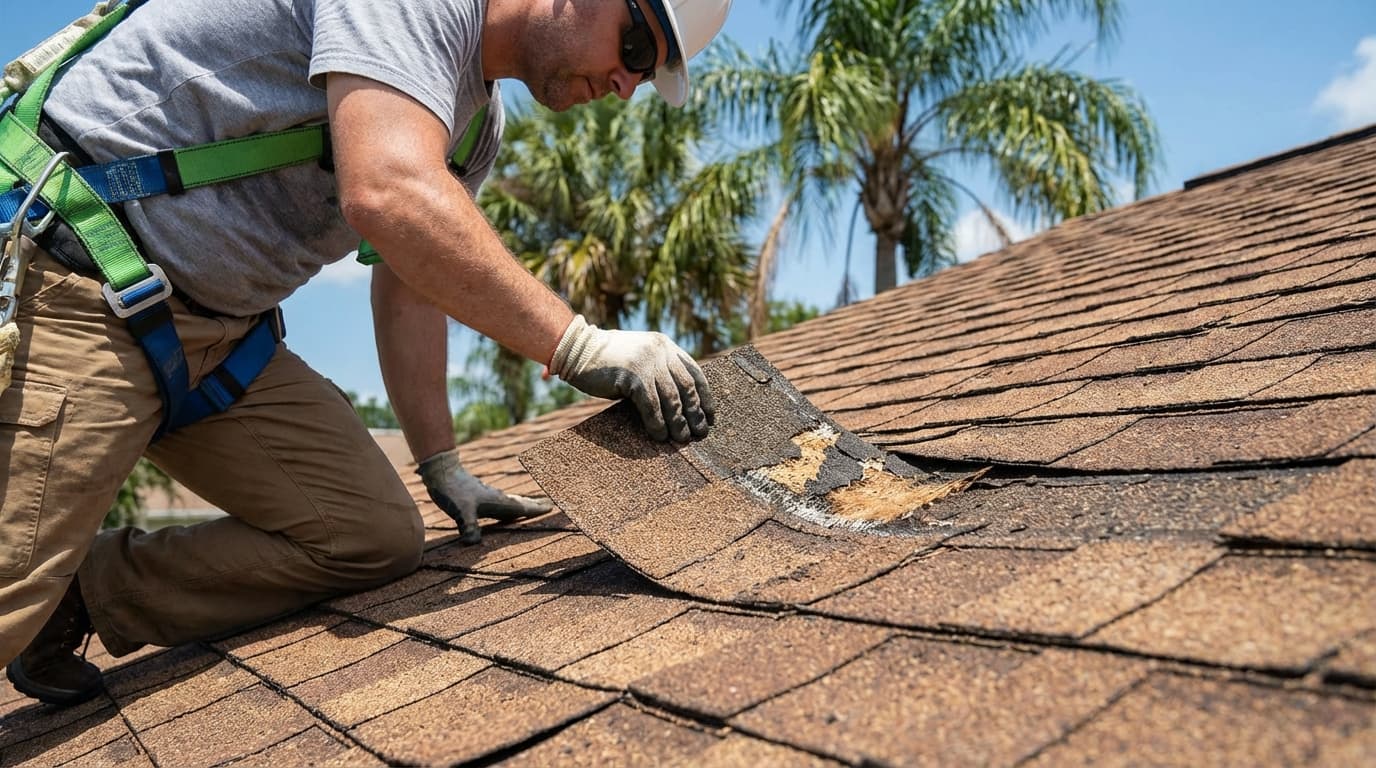
- Loose or damaged shingles - even a single missing shingle creates a wind-uplift entry point
- Compromised flashing around vents, chimneys, and pipe boots
- Sealant deterioration - Florida's UV exposure degrades sealants 40% faster than northern climates
- Gutter and drainage system condition - blocked drainage causes water pooling and fascia rot
- Overall structural integrity - checking decking, trusses, and load-bearing connections
Pro Tip from Our Inspectors: Schedule your inspection in April or May. By June, every roofing company in Tampa Bay is booked solid, and you may not get an appointment until mid-season when it's too late.
What does a hurricane roof inspection cost in Tampa Bay?
| Inspection Type | Typical Cost | What's Included |
|---|---|---|
| Basic Visual Inspection | $150 – $250 | Ground + roof-level visual assessment, written report |
| Full Inspection | $250 – $450 | Full inspection including attic, moisture scan, photo documentation |
| Drone-Assisted Inspection | $300 – $500 | Aerial imaging for steep or complex roofs, thermal detection |
| Insurance Wind Mitigation | $75 – $150 | Required form for insurance discount eligibility |
What Roof Areas Are Most Vulnerable to Hurricane Wind Damage?
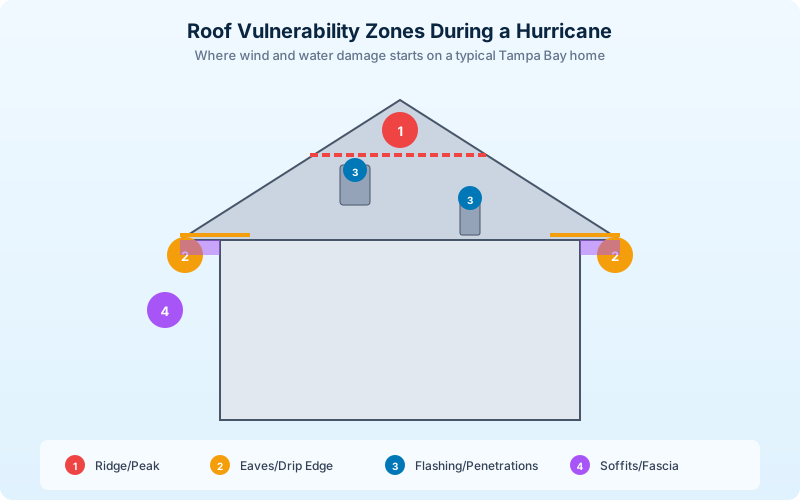
The most vulnerable areas on any roof are the edges, ridges, and penetration points - these are where wind forces concentrate and where failures typically begin during a hurricane. Understanding these weak points allows you to prioritize reinforcement efforts effectively.
How Do You Protect the Ridge and Hip Areas?
The ridge (peak) of your roof experiences the highest wind pressure during a hurricane. Ridge caps must be secured with high-wind fasteners rated for your local wind zone. In Tampa Bay, the Florida Building Code requires roofing systems rated for minimum 130 mph wind speeds in most zones.
Make sure ridge caps are:
- Secured with six nails per cap shingle (not the standard four)
- Sealed with roofing cement on all exposed edges
- Free of cracks, lifting, or deterioration
Why Are Eaves and Soffits Critical During Hurricanes?
Eaves and soffits are where most wind-driven rain infiltration occurs during hurricanes. When wind pushes under the eave overhang, it creates uplift pressure that can peel the entire roof system away from the structure. Damaged or missing soffit panels allow pressurized wind into the attic, which dramatically increases the risk of roof failure.
Inspect and repair:
- Any gaps, cracks, or holes in soffit panels
- Loose or corroded soffit fasteners
- Damaged drip edge along the eaves
- Deteriorated fascia boards that weaken the connection
How Do You Seal Flashing Points Against Storm Water?
Every penetration in your roof - vents, pipes, skylights, and chimneys - is a potential water entry point, and these are responsible for over 70% of post-hurricane roof leaks according to insurance claims data. Ensure all flashing is:
- Properly overlapping with shingles (step flashing at walls, counter-flashing at chimneys)
- Sealed with high-quality, UV-resistant polyurethane sealant
- Free of rust, corrosion, or separation
- Mechanically fastened (not just caulked in place)
Should You Trim Trees Before Hurricane Season?
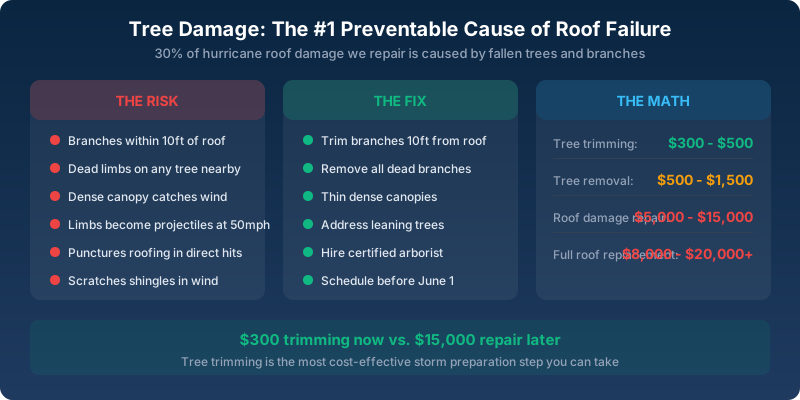
Yes - trimming trees around your home is one of the most cost-effective hurricane preparation steps you can take. Overhanging branches are responsible for a significant percentage of roof damage during hurricanes, both from direct impact and from branches acting as projectiles in high winds.
The general rule: any branch within 10 feet of your roof should be trimmed back. Dead branches anywhere on your property should be removed entirely, as they become airborne debris at wind speeds as low as 50 mph.
Here's what to prioritize:
- Remove dead or dying branches on any tree within striking distance of your home
- Trim limbs that overhang the roofline - even healthy branches can snap under hurricane-force winds
- Thin dense canopies to allow wind to pass through rather than catching the tree like a sail
- Address leaning trees that could fall onto the structure - consult a certified arborist for large trees
From Our Experience: In every hurricane we've responded to, at least 30% of the roof damage we repaired was caused by fallen trees and branches - not by wind alone. A $300-$500 tree trimming investment can prevent $5,000-$15,000 in roof damage.
How Does Your Roof's Age Affect Hurricane Resistance?
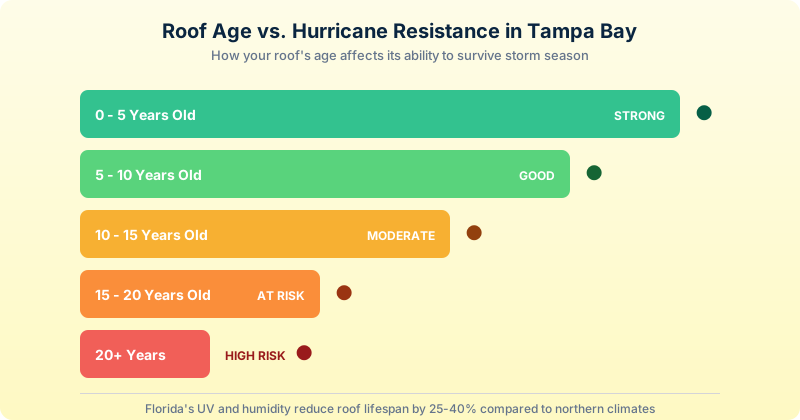
Your roof's age directly impacts its ability to withstand hurricane conditions - older roofing systems have degraded materials, weakened fasteners, and reduced wind resistance. Understanding where your roof falls on the age spectrum helps you make informed decisions about repair vs. replacement before storm season.
| Roof Age | Hurricane Readiness | Recommended Action |
|---|---|---|
| 0 – 5 years | Strong - should meet current wind code | Annual inspection, ensure warranty is active |
| 5 – 10 years | Good - minor wear expected | Inspect annually, address any damage immediately |
| 10 – 15 years | Moderate - degradation accelerating | Semi-annual inspections, budget for potential replacement |
| 15 – 20 years | Concerning - significant wear likely | Strongly consider replacement before hurricane season |
| 20+ years | High risk - likely past expected lifespan | Replace before hurricane season if showing any deterioration |
Key factors that affect how your roof ages in Tampa Bay:
- Shingle type: Architectural shingles last 20-30 years; 3-tab shingles last 15-20 years in Florida's climate
- Ventilation quality: Poor attic ventilation can cut roof lifespan by 25%
- Installation quality: Proper nail placement and starter strip installation are critical for wind resistance
- Previous storm exposure: Each significant storm event weakens the overall system, even if no visible damage occurred
What Should Be in Your Hurricane Roof Emergency Plan?
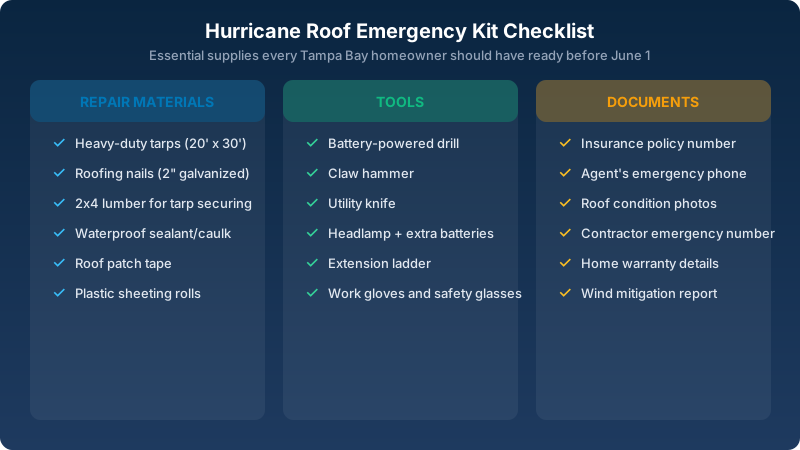
Every Tampa Bay homeowner should have a documented hurricane roof emergency plan because even perfectly prepared roofs can sustain damage from Category 3+ hurricanes. Having a plan in place before the storm hits eliminates the panicked decision-making that leads to costly mistakes.
Your emergency plan should include:
- Your roofing contractor's emergency phone number - saved in your phone and written down (cell towers may be down)
- Complete photo documentation of your roof's current condition - photograph every angle, every flashing point, every penetration. This is critical for insurance claims
- Your insurance policy details - know your hurricane deductible (typically 2-5% of home value in Florida), your coverage limits, and your claims process
- Emergency materials on hand:
- Heavy-duty tarps (at least 20' x 30')
- Roofing nails and a hammer
- 2x4 lumber for tarp securing
- Waterproof sealant/caulk
- Battery-powered drill
- Headlamp or flashlight
What Should You Do Immediately After a Hurricane Hits?
- Wait until it's safe - do not go on your roof during or immediately after a hurricane
- Inspect from ground level first - look for obvious damage, missing shingles, fallen debris
- Check inside for leaks - inspect every room, especially ceilings and walls
- Document everything - photograph and video all damage before making any repairs
- Contact your insurance company within 24 hours - Florida law requires prompt notification
- Call your roofing contractor - reputable companies prioritize existing customers for emergency service
- Apply temporary protection - tarp any exposed areas to prevent further water damage
How Much Does Hurricane Roof Preparation Cost in Tampa Bay?
The total cost of thorough hurricane preparation typically ranges from $200 to $2,000, depending on your roof's condition and age - a fraction of the $10,000 to $50,000+ that major hurricane damage repairs can cost.
Typical preparation cost breakdown:
| Preparation Task | Cost Range | Priority |
|---|---|---|
| Professional inspection | $150 – $450 | Essential |
| Minor repairs (shingles, sealant) | $150 – $800 | Essential |
| Flashing repair/replacement | $200 – $600 | High |
| Tree trimming | $300 – $1,500 | High |
| Gutter cleaning and repair | $100 – $300 | Moderate |
| Emergency supply kit | $50 – $150 | Essential |
| Wind mitigation report | $75 – $150 | Recommended (saves on insurance) |
Insurance Savings Tip: A wind mitigation inspection report can reduce your homeowner's insurance premium by 15-45% in Florida. The $75-$150 investment often pays for itself within the first year.
Frequently Asked Questions
When should I start preparing my roof for hurricane season in Tampa Bay?
Start preparing your roof for hurricane season no later than April or May. This gives you enough time to schedule an inspection, complete any needed repairs, and avoid the rush of last-minute bookings that overwhelm roofing companies once June arrives.
Can I inspect my own roof for hurricane readiness?
You can perform a basic ground-level visual inspection using binoculars to check for missing shingles, damaged flashing, or debris accumulation. However, a professional inspection is strongly recommended because many critical issues - such as fastener failure, underlayment deterioration, and subtle structural concerns - are invisible from the ground.
Does my homeowner's insurance cover hurricane roof damage in Florida?
Most Florida homeowner's insurance policies cover hurricane roof damage, but with a separate hurricane deductible that typically ranges from 2% to 5% of your home's insured value. For a home insured at $350,000, that means a $7,000 to $17,500 deductible before coverage kicks in.
How long does it take to repair a roof after hurricane damage?
Emergency tarping can typically be completed within 24-72 hours after a hurricane passes, but permanent repairs may take 2-8 weeks depending on the severity of damage and the demand for roofing services in the area. After major hurricanes, wait times can extend to several months due to contractor availability and material shortages.
What wind speed can a typical Tampa Bay roof withstand?
Roofs built or replaced under current Florida Building Code standards are designed to withstand sustained winds of 130-150 mph, depending on the specific wind zone. However, older roofs built before the 2002 code updates may only withstand 90-110 mph winds, making them significantly more vulnerable during major hurricanes.
Schedule Your Pre-Hurricane Roof Inspection
A few hours of preparation now can prevent tens of thousands of dollars in storm damage later. Our licensed team has been protecting Tampa Bay homes for over 15 years.
(813) 324-6813