The Complete Roof Maintenance Checklist for Florida Homeowners
Follow this seasonal roof maintenance checklist to extend your roof's lifespan and catch problems early in Florida's demanding climate. Expert tips from licensed Tampa Bay roofers.
Florida's combination of intense UV exposure, heavy rainfall, high humidity, and hurricane-force winds makes regular roof maintenance more important here than almost anywhere else in the country. A well-maintained roof can last 5-10 years longer than a neglected one - saving Tampa Bay homeowners $8,000 to $15,000 or more in premature replacement costs.
After inspecting and maintaining thousands of roofs across Hillsborough, Pinellas, and Pasco counties, our team has developed this seasonal checklist based on what we actually see failing most often in Florida's punishing climate. These aren't generic tips - they're specific to the challenges your roof faces every day in the Tampa Bay area.
Use this checklist to stay on top of your roof's health and avoid costly surprises.
How Often Should You Visually Inspect Your Roof in Florida?
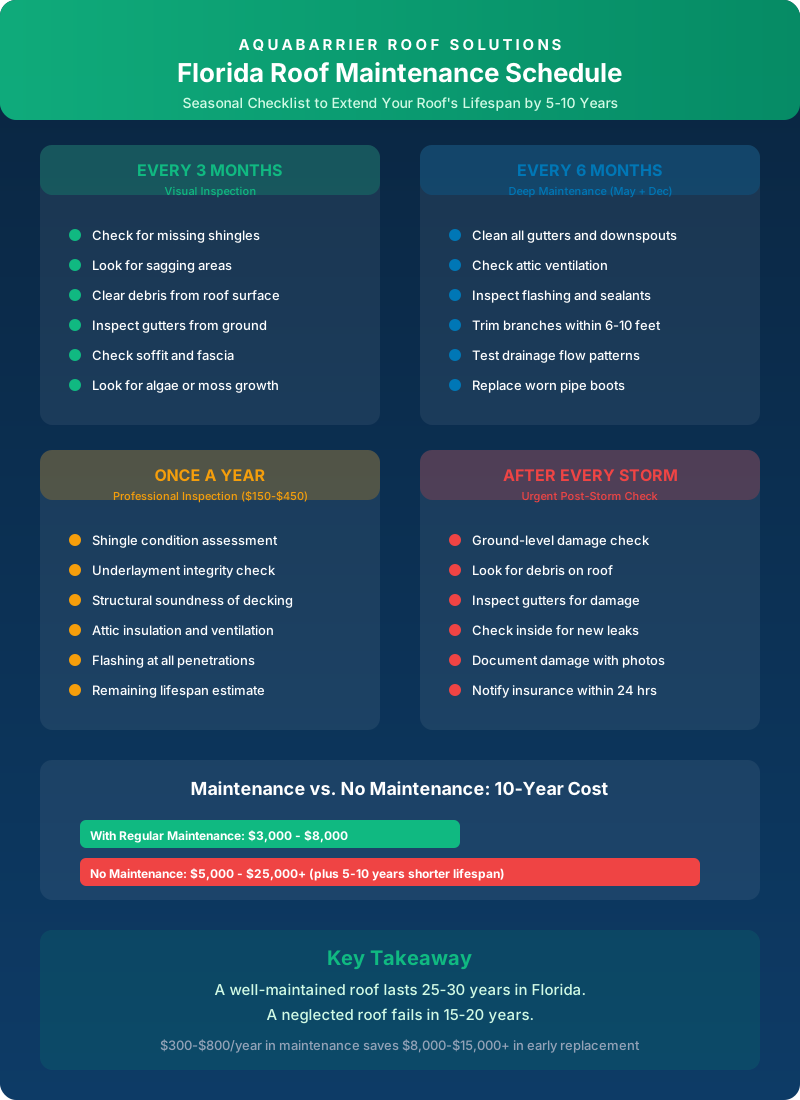
You should visually inspect your roof at least once every three months in Florida because the combination of intense UV radiation, heavy storms, and rapid vegetation growth can create new problems in a matter of weeks. Quarterly checks catch issues early - before a small concern becomes an expensive repair.
Every three months, do a ground-level visual check. Look for:
- Missing or damaged shingles - gaps in coverage are immediate concerns that expose underlayment to UV and moisture
- Sagging areas - even slight sagging could indicate water damage to the decking or structural issues
- Debris accumulation - leaves, branches, and organic material trap moisture against roofing materials, accelerating deterioration
- Gutter condition - sagging gutters, pulling away from fascia, or visible overflow during rain
You don't need to climb on your roof for this inspection. A pair of binoculars from the ground works well. Walk the full perimeter of your home and check from multiple angles.
Quarterly inspection checklist:
| Area to Check | What to Look For | Urgency if Found |
|---|---|---|
| Shingle surface | Missing, cracked, curling, or buckling shingles | High - repair within 1-2 weeks |
| Roof plane | Sagging, uneven areas, or visible dips | Critical - call a professional immediately |
| Gutters & downspouts | Sagging, overflow marks, visible debris | Moderate - clean within 1 month |
| Flashing (visible) | Lifted, rusted, or separated metal | High - repair within 1-2 weeks |
| Soffit & fascia | Peeling paint, rot, animal entry holes | Moderate to High - address within 2-4 weeks |
| Roof debris | Branches, leaves, moss, or algae growth | Moderate - remove within 2 weeks |
What Our Inspectors See Most: The #1 issue we find during routine inspections in Tampa Bay is clogged soffit vents covered by debris and insect nests. Blocked ventilation causes heat buildup that accelerates shingle deterioration from the inside - and most homeowners never know it's happening.
What Deep Maintenance Should You Perform Twice a Year?
Semi-annual deep maintenance - ideally performed in May (before hurricane season) and December (after hurricane season) - addresses the issues that quarterly visual checks can't catch. These hands-on tasks prevent the slow, cumulative damage that shortens your roof's lifespan in Florida's climate.
Why Is Gutter Cleaning Critical for Your Roof in Florida?
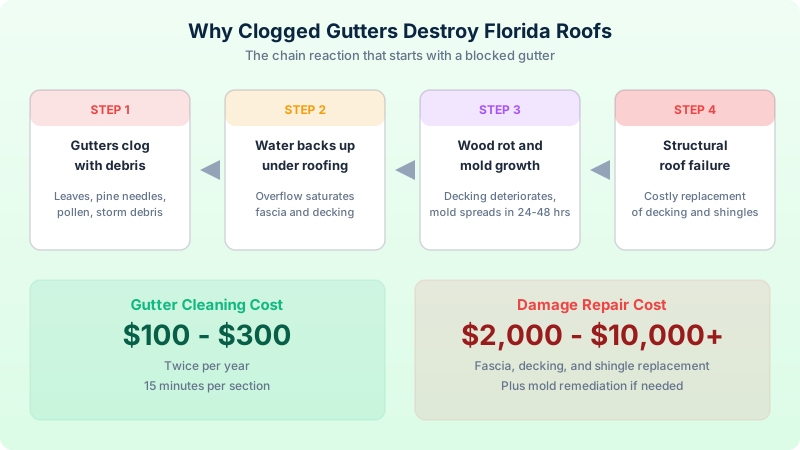
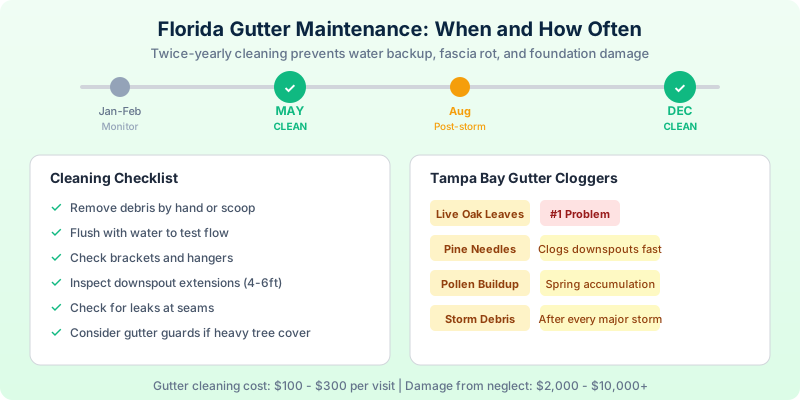
Clogged gutters are one of the top three causes of premature roof failure in Florida because they force water to back up under your roofing material, causing rot, mold, and structural damage to fascia and decking. In Tampa Bay's subtropical environment, gutters fill rapidly with leaves, pine needles, pollen, and storm debris.
Clean your gutters at minimum twice per year, and consider these best practices:
- Remove all debris by hand or with a gutter scoop - don't just blast with a hose, which pushes debris into downspouts
- Flush with water after cleaning to check for proper flow and identify leaks
- Inspect gutter brackets and hangers - Florida storms loosen connections over time
- Check downspout extensions - water should discharge at least 4-6 feet from your foundation
- Consider gutter guards if you have significant tree coverage - they reduce (but don't eliminate) cleaning frequency

How Does Attic Ventilation Affect Your Roof's Lifespan?
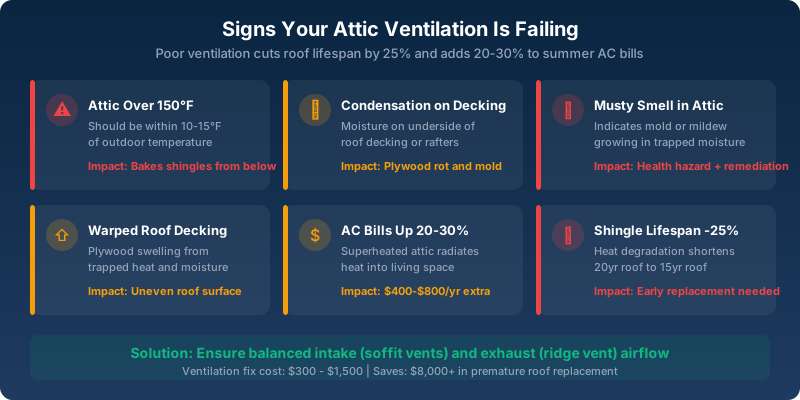
Proper attic ventilation can extend your roof's lifespan by up to 25% by preventing heat and moisture buildup that degrades roofing materials from underneath. In Florida, where attic temperatures can reach 150°F+ in summer, ventilation isn't optional - it's essential.
Poor attic ventilation causes:
- Warped roof decking - trapped moisture causes plywood to swell and delaminate
- Reduced shingle lifespan - excessive heat bakes shingles from below, accelerating granule loss
- Mold and mildew growth - creating health hazards and costly remediation
- Increased cooling costs - a superheated attic radiates heat into your living space, adding 20-30% to summer AC bills
Signs your attic ventilation is insufficient:
- Attic temperature exceeds outdoor temperature by more than 10-15°F
- Visible condensation on roof decking or rafters
- Musty odor in the attic
- Mold or mildew on any attic surfaces
- Ice damming (rare in Florida, but possible in extreme cold snaps)
When Should You Replace Roof Flashing and Sealants?
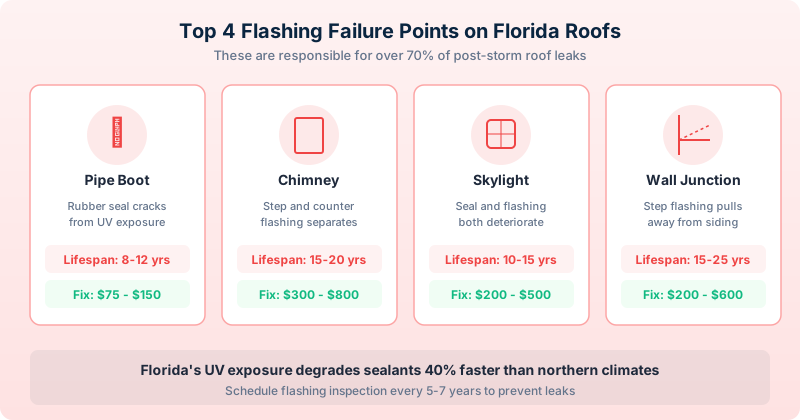
Roof flashing and sealants should be inspected and potentially replaced every 5-7 years in Florida because the intense UV exposure and thermal cycling cause sealants to crack, shrink, and separate faster than in cooler climates. Flashing failure is the leading cause of roof leaks that we repair in Tampa Bay.
Check these critical areas:
- Chimney bases - counter-flashing and step flashing integrity
- Vent pipes - rubber pipe boots deteriorate rapidly in Florida sun (replace every 8-10 years)
- Skylights - inspect both flashing and the skylight seal itself
- Roof-to-wall transitions - step flashing must be properly integrated with siding and house wrap
| Sealant/Flashing Type | Expected Lifespan (Florida) | Replacement Cost |
|---|---|---|
| Rubber pipe boot | 8 – 12 years | $75 – $150 per boot |
| Chimney flashing | 15 – 20 years | $300 – $800 |
| Skylight flashing | 10 – 15 years | $200 – $500 |
| Roof-to-wall step flashing | 15 – 25 years | $200 – $600 |
| General roofing sealant | 3 – 5 years | $10 – $30 per tube (DIY) |
How Far Should Tree Branches Be From Your Roof?
Tree branches should be kept at least 6-10 feet from your roof surface to prevent physical damage, debris accumulation, and pest access. Overhanging limbs drop leaves and organic debris that trap moisture, scratch roofing materials during wind events, and provide a highway for squirrels and raccoons to access your roof and attic.
In Tampa Bay, the most common problem trees include:
- Live oaks - heavy limbs and dense leaf drop
- Pine trees - needle accumulation clogs gutters rapidly
- Palm trees - frond drop during storms causes impact damage
- Camphor trees - aggressive root growth and dense canopy
How Much Does a Professional Roof Inspection Cost in Florida?
A professional roof inspection in Florida typically costs between $150 and $450 and is one of the best investments a homeowner can make - it can save thousands by catching small problems before they become major failures. Licensed roofing professionals identify issues that are completely invisible from the ground.
A professional inspection can save thousands by catching problems early. Think of it as an annual physical for your home's most important protective system - and it's far cheaper than an emergency repair during hurricane season.
What Does a Professional Roof Inspector Check?
A thorough professional inspection covers every component of your roofing system:
- Shingle condition and remaining lifespan - estimating years of service left based on granule loss, flexibility, and adhesion
- Underlayment integrity - the waterproof barrier beneath your shingles, which is your last line of defense
- Structural soundness of decking and trusses - checking for rot, pest damage, and load-bearing capacity
- Proper drainage and water flow patterns - ensuring water moves efficiently off the roof and away from the structure
- Flashing condition at all penetration points - every vent, pipe, chimney, and skylight
- Attic conditions - insulation levels, ventilation effectiveness, and signs of moisture intrusion
Annual inspection schedule for Florida homeowners:
| Month | Inspection Type | Focus Area |
|---|---|---|
| January – February | Post-winter check | Cold-weather contraction damage, condensation issues |
| April – May | Pre-hurricane inspection | Full system evaluation, storm readiness |
| August – September | Mid-season check | Storm damage assessment, drainage verification |
| November – December | Post-hurricane season | Full end-of-season evaluation |
What Should You Check on Your Roof After a Major Storm?
After any significant weather event - hurricane, tropical storm, or severe thunderstorm - you should inspect your roof as soon as it's safely possible because storm damage that goes unaddressed for even a few days can escalate rapidly due to water infiltration. Quick action is critical to protecting your home and preserving your insurance claim eligibility.
Follow this post-storm inspection protocol:
- Check for obvious damage from ground level - missing shingles, displaced ridge caps, visible debris on the roof
- Look for debris on and around the roof - branches, fallen trees, airborne objects from neighboring properties
- Inspect gutters and downspouts for damage, displacement, or blockages from storm debris
- Check inside for new leaks - examine every ceiling, wall, and window frame for water stains or active dripping
- Document all damage immediately with timestamped photos and video - this is essential for insurance claims
- Do NOT attempt repairs during active weather - wait until conditions are confirmed safe
- Contact your insurance company within 24 hours - Florida requires prompt notification for hurricane damage claims
Critical Insurance Tip: Florida statute requires insurers to acknowledge claims within 14 days and begin investigation within 45 days. However, your obligation to report promptly is also part of the policy. Delays in reporting can result in reduced payouts or denial.
How Much Money Does Regular Roof Maintenance Save?
Regular roof maintenance saves the average Florida homeowner $1,500 to $5,000 per year in avoided emergency repairs and extends roof lifespan by 5-10 years - translating to $8,000-$15,000+ in deferred replacement costs. Consistent maintenance is the most cost-effective way to protect both your home and your investment.
The math is clear:
| Scenario | Annual Cost | 10-Year Cost | Roof Lifespan |
|---|---|---|---|
| Regular maintenance (inspections + minor repairs) | $300 – $800/year | $3,000 – $8,000 | 25 – 30 years |
| Reactive/no maintenance | $0 – $200/year + emergency repairs | $5,000 – $25,000+ | 15 – 20 years |
| Net savings with maintenance | - | $2,000 – $17,000+ | 5 – 10 extra years |
Small, consistent investments in maintenance prevent the large expenses that come with emergency repairs and premature replacement - and keep your home protected year-round.
Frequently Asked Questions
How often should you have your roof inspected in Florida?
You should have your roof professionally inspected at least once per year in Florida, with an additional inspection before hurricane season (May-June). Homes with roofs older than 15 years or those that have experienced recent storm events should consider semi-annual professional inspections.
Can I do roof maintenance myself, or do I need a professional?
You can safely perform several maintenance tasks yourself, including ground-level visual inspections, gutter cleaning, debris removal, and tree trimming. However, any work that requires getting on the roof, evaluating structural components, or repairing flashing should be handled by a licensed roofing professional to ensure safety and proper technique.
What is the most common cause of roof leaks in Florida?
Failed or deteriorated flashing around pipe boots, chimneys, and skylights is the most common cause of roof leaks in Florida. The intense UV exposure degrades rubber and sealant components faster than in other climates, making regular flashing inspection and replacement essential.
How long does a roof last in Florida compared to other states?
A typical asphalt shingle roof lasts 15-20 years in Florida compared to 25-30 years in northern states. The reduced lifespan is due to Florida's extreme UV exposure, high humidity, frequent heavy rainfall, and hurricane exposure. Metal and tile roofs fare better, lasting 30-50+ years with proper maintenance.
Does roof maintenance affect my homeowner's insurance in Florida?
Yes - maintaining your roof directly affects both your insurance premiums and your ability to obtain coverage. Many Florida insurers will not cover homes with roofs older than 15-20 years, and some require a roof inspection before issuing or renewing a policy. A well-maintained roof with a recent inspection report can help you secure lower premiums and avoid coverage denial.
Book Your Roof Maintenance Inspection
Our licensed team offers full maintenance inspections across Hillsborough, Pinellas, and Pasco counties. Protect your roof before small issues become costly repairs.
(813) 324-6813