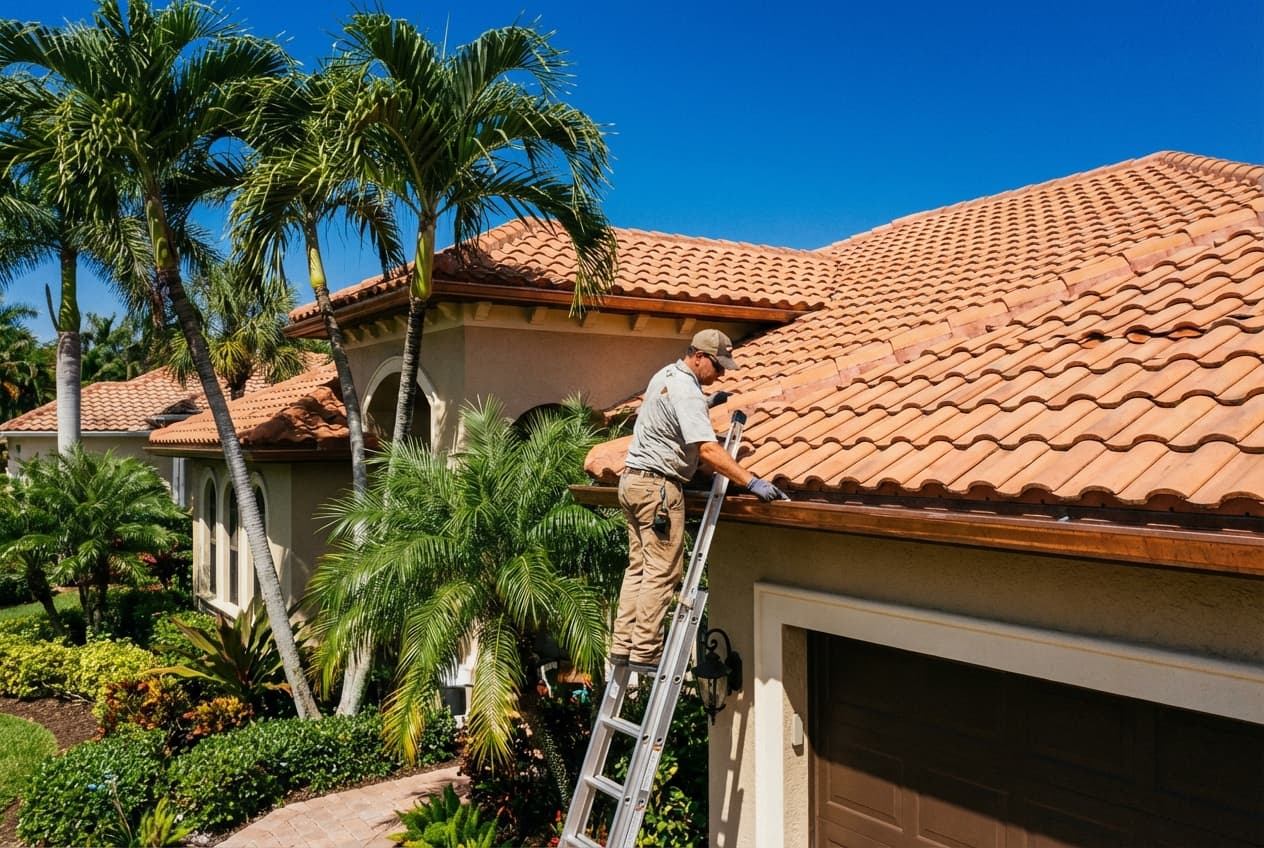
5 Warning Signs Your Roof Needs Immediate Attention
Learn the early warning signs of roof damage that every Tampa Bay homeowner should know before a small leak becomes a costly repair. Expert insights from licensed Florida roofers.
Your roof is your home's first line of defense against Florida's intense sun, heavy rain, and hurricane-force winds. But many homeowners don't think about their roof until water is dripping through the ceiling - and by then, the damage and the repair bill can be significant. According to HomeAdvisor, the average emergency roof repair costs $500-$1,500, while the same issue caught early during a routine inspection might cost just $100-$300 to fix.
With over 15 years of inspecting and repairing roofs across Tampa Bay, our licensed team at AquaBarrier Roof Solutions has identified the five warning signs that consistently precede major roof failures. Recognizing these signs early can save you thousands of dollars and protect your family from the health and safety hazards of a compromised roof.
Here are the five warning signs that your roof needs professional attention right away - and what to do about each one.
What Do Water Stains on Your Ceiling Mean for Your Roof?
Water stains on your ceiling are one of the earliest visible indicators of an active roof leak, and they should never be ignored - even small, faint stains indicate that water is penetrating your roofing system and reaching your home's interior structure. Brown, yellowish, or dark ring-shaped stains typically appear after heavy rainfall and grow larger over time if the underlying issue isn't addressed.
Why ceiling stains are more serious than they look:
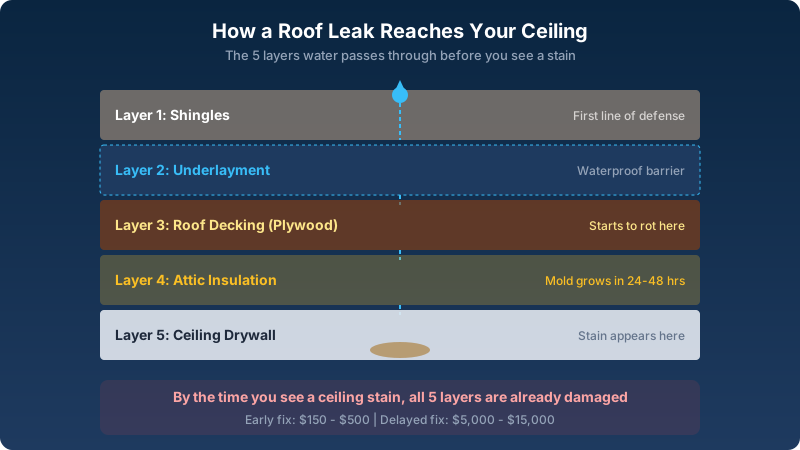
The stain you see on your ceiling is only the surface symptom of a much larger problem. By the time water reaches your ceiling drywall, it has already traveled through:
- Your roofing material (shingles, tile, or metal)
- The underlayment (your waterproof barrier)
- The roof decking (plywood or OSB)
- Insulation in your attic
- Ceiling joists and drywall
Each layer that water contacts sustains damage - meaning that a small ceiling stain often represents a much larger area of hidden water damage above.
What causes ceiling water stains from roof leaks?
| Common Cause | How to Identify | Typical Repair Cost |
|---|---|---|
| Failed pipe boot flashing | Stain near a bathroom or kitchen (directly below a vent pipe) | $150 – $300 |
| Damaged shingles | Stain appears or grows after storms | $200 – $500 |
| Chimney flashing failure | Stain near fireplace or chimney area | $300 – $800 |
| Skylight seal deterioration | Stain around or near a skylight | $200 – $600 |
| Ice dam / condensation | Stain appears during temperature changes (rare in FL) | $200 – $500 |
| Clogged gutters causing backup | Stain along exterior walls or eaves | $100 – $300 |
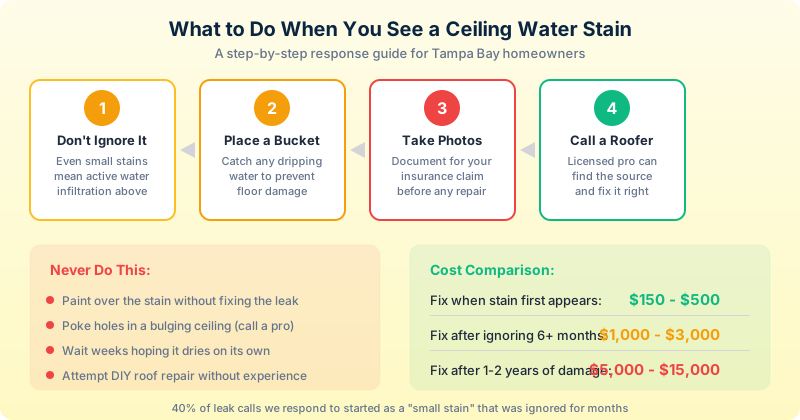
What to do: Contact a roofing professional immediately to inspect your roof and identify the source of the leak. Do not simply paint over the stain - that masks the symptom while the underlying damage continues to worsen, potentially leading to mold growth, structural rot, and much more expensive repairs.
From Our Experience: In about 40% of the leak calls we respond to in Tampa Bay, the homeowner tells us the stain "appeared months ago but seemed small." By the time they called, the repair cost was 3-5x what it would have been if addressed immediately. Early action is always cheaper.
Are Missing or Damaged Shingles a Sign of Roof Failure?
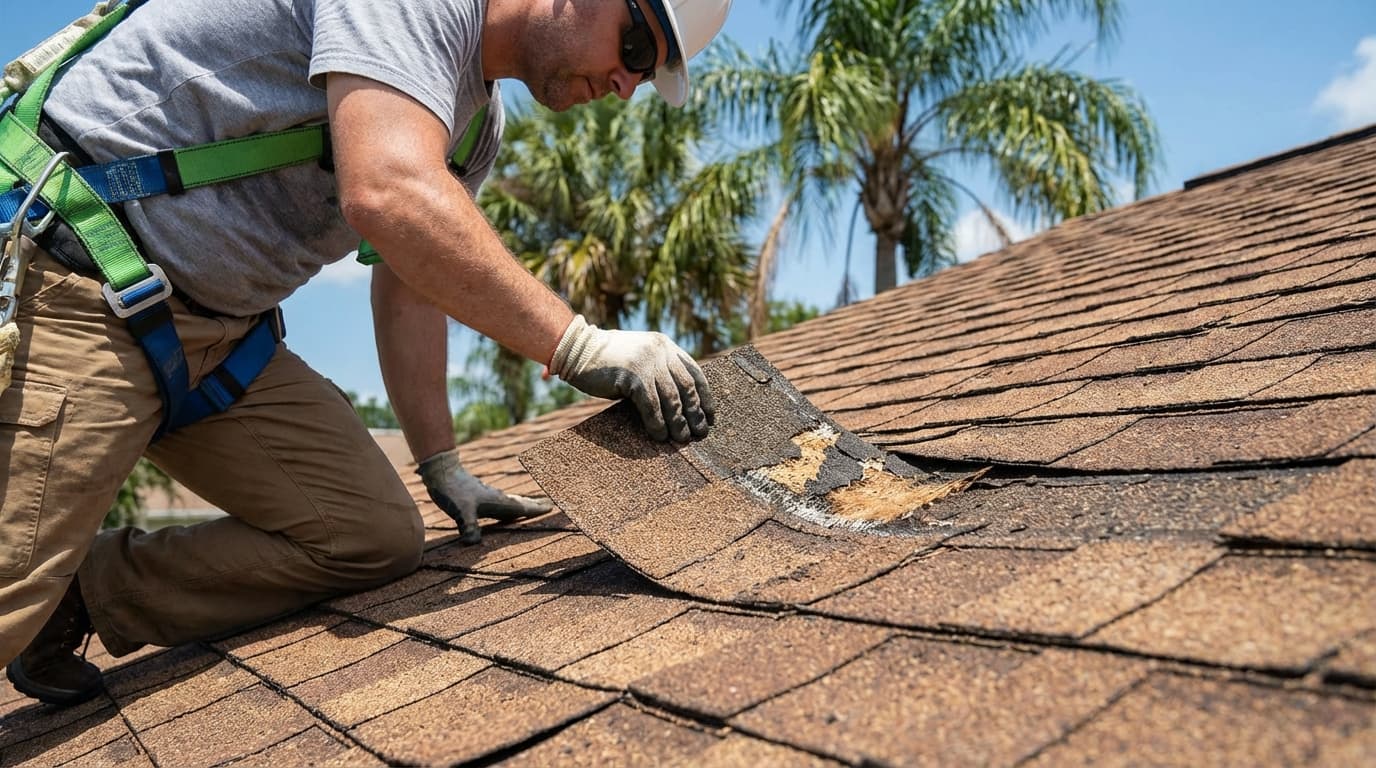
Missing or damaged shingles are a clear sign that your roof's protective barrier has been compromised, and every day they remain unaddressed increases the risk of water infiltration, wood rot, and escalating damage to the underlying structure. After any storm event, visually inspect your roof from ground level - cracked, curling, or entirely missing shingles require prompt professional repair.
Types of shingle damage and what they indicate:
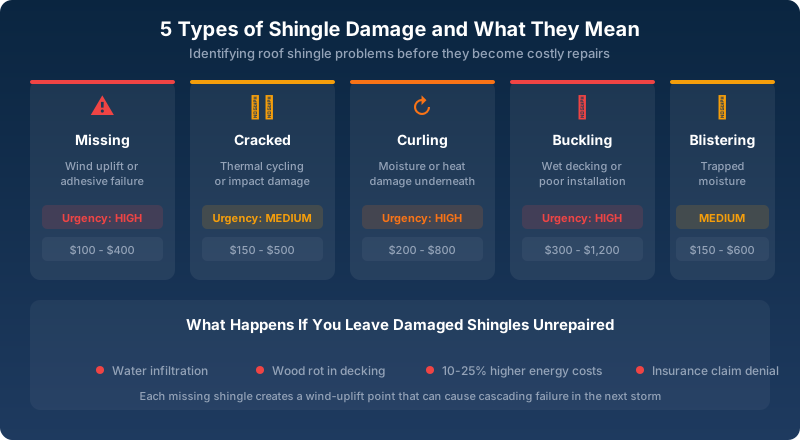
- Missing shingles - direct wind damage, or adhesive failure due to age. The exposed area is immediately vulnerable to water infiltration
- Cracked shingles - caused by thermal cycling (expansion/contraction in Florida's heat) or impact damage from debris
- Curling shingles - edges lifting up indicate moisture damage underneath or inadequate ventilation causing heat buildup
- Buckling shingles - wrinkled or wavy appearance caused by moisture-damaged decking or improperly installed underlayment
- Blistering shingles - bubbles on shingle surface from trapped moisture, accelerated by Florida's intense UV exposure
Consequences of leaving damaged shingles unrepaired:
- Water infiltration - rain penetrates directly to underlayment and decking
- Wood rot in the decking - moisture-saturated plywood deteriorates within weeks in Florida's humidity
- Increased energy costs - compromised roofing reduces insulation effectiveness by 10-25%
- Vulnerability to future storms - each missing shingle creates a wind-uplift point that can cause cascading failure during the next storm
- Insurance complications - neglected maintenance can result in claim denial for subsequent storm damage
What Do Granules in Your Gutters Tell You About Your Roof?
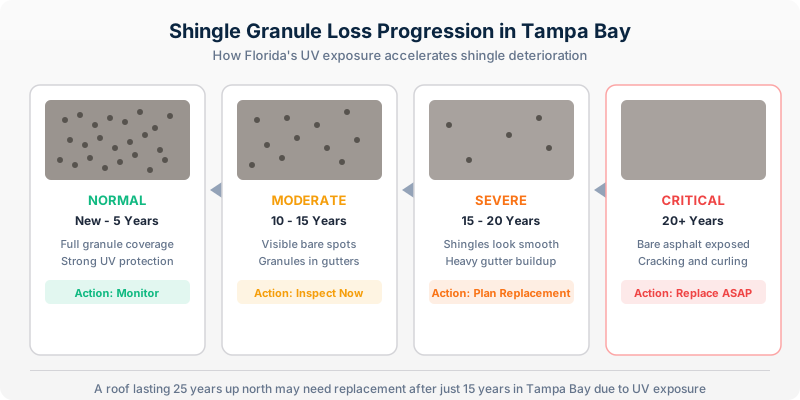
Excessive granules in your gutters or at the base of your downspouts are a sign that your asphalt shingles are deteriorating and losing the protective coating that shields them from UV damage and weather exposure. While some granule loss is normal (especially on new roofs), a significant accumulation indicates your roof is approaching the end of its functional lifespan.
Understanding granule loss:
Asphalt shingles are coated with ceramic granules that serve three critical functions:
- UV protection - granules reflect solar radiation and prevent the asphalt layer from drying out and cracking
- Weather resistance - the granule layer adds durability against rain, hail, and wind
- Fire resistance - granules provide a Class A fire rating to asphalt shingles
When granules wash away, the underlying asphalt is exposed to direct UV radiation, which accelerates deterioration dramatically. In Tampa Bay's intense sun, a shingle that has lost significant granule coverage may fail 3-5 years sooner than one with intact granulation.
Granule loss accelerates significantly in Florida's intense UV environment. A roof that might last 25-30 years in a northern climate may show significant granule loss after just 12-15 years in Tampa Bay - making regular gutter inspection an important early warning system.
How to assess granule loss severity:
| Level of Granule Loss | What It Looks Like | What It Means |
|---|---|---|
| Normal (new roof) | Light dusting of granules in gutters after installation | Manufacturing residue - not a concern |
| Mild (5-10 year roof) | Small amounts after heavy rain | Normal wear - monitor quarterly |
| Moderate (10-15 year roof) | Consistent accumulation, visible bare spots on shingles | Accelerating deterioration - schedule professional inspection |
| Severe (15+ year roof) | Heavy accumulation, shingles visibly smooth or dark | End of lifespan approaching - plan for replacement |
Is a Sagging Roof Deck an Emergency?
A sagging roof deck is a serious structural emergency that requires immediate professional evaluation - it indicates that the structural support system beneath your roofing material has been compromised, and the risk of partial or complete roof collapse increases over time. If you notice any visible sagging, dipping, or waviness in your roofline, do not delay contacting a licensed roofing professional.
Common causes of roof deck sagging:
- Long-term water damage - persistent leaks saturate plywood decking, causing it to swell, delaminate, and lose structural rigidity
- Inadequate structural support - undersized rafters, trusses spaced too far apart, or missing collar ties
- Excessive weight - multiple layers of roofing material (common in homes that had new shingles installed over old ones instead of a tear-off)
- Termite or pest damage - wood-boring insects weaken structural members from the inside, often without visible exterior signs
- Original construction defects - substandard lumber, improper engineering, or code violations from the original build
Warning signs of structural compromise:
- Visible dip or sag in the roofline when viewed from the street
- Cracked or split rafters visible from the attic
- Doors and windows that have recently become difficult to open or close (indicating structural shifting)
- Interior wall cracks that appear suddenly, especially diagonal cracks from door/window corners
- Bouncy or spongy feeling when walking on the roof (if a professional is performing an inspection)
Safety Warning: Never attempt to inspect a sagging roof yourself by climbing on it. A structurally compromised roof deck may not support the weight of a person. Always have a licensed professional with proper safety equipment evaluate the situation.
What does sagging roof repair cost?
| Type of Repair | Typical Cost Range | Timeline |
|---|---|---|
| Decking replacement (partial) | $1,000 – $3,000 | 1-2 days |
| Rafter/truss repair | $1,500 – $5,000 | 2-4 days |
| Full structural repair + re-roof | $8,000 – $25,000+ | 1-2 weeks |
| Emergency shoring/stabilization | $500 – $2,000 | Same day |
Can You See Daylight Through Your Roof Boards?
If you can see daylight coming through your roof boards when standing in your attic, it means there are gaps or holes in your roofing system - and wherever light gets in, water and pests are getting in too. This is a definitive sign of roof failure that requires professional repair, not a DIY fix.
How to check for daylight penetration:
- Turn off all attic lights and wait for your eyes to adjust
- Look for pinpoints or streaks of light, especially around:
- Vent penetrations and pipe boots
- Ridge line and hip intersections
- Where the roof meets walls (step flashing areas)
- Any area where you notice staining or discoloration
- Check on a bright, sunny day for best results
- Use a flashlight to examine areas around light penetrations for signs of water damage
What daylight through the roof means for your home:
- Active water infiltration - if light passes through, rain absolutely does too
- Energy loss - gaps allow conditioned air to escape and outdoor air to infiltrate
- Pest entry points - insects, rodents, bats, and birds use these openings to access your attic
- Accelerating deterioration - exposed wood around gaps absorbs moisture and deteriorates rapidly in Florida's humidity
Pro Tip: Even if you don't see daylight, check your attic after rain for any signs of moisture, damp insulation, or water staining on the underside of the decking. Some leaks are only active during wind-driven rain from specific directions.
How Much Does It Cost to Ignore Roof Warning Signs?
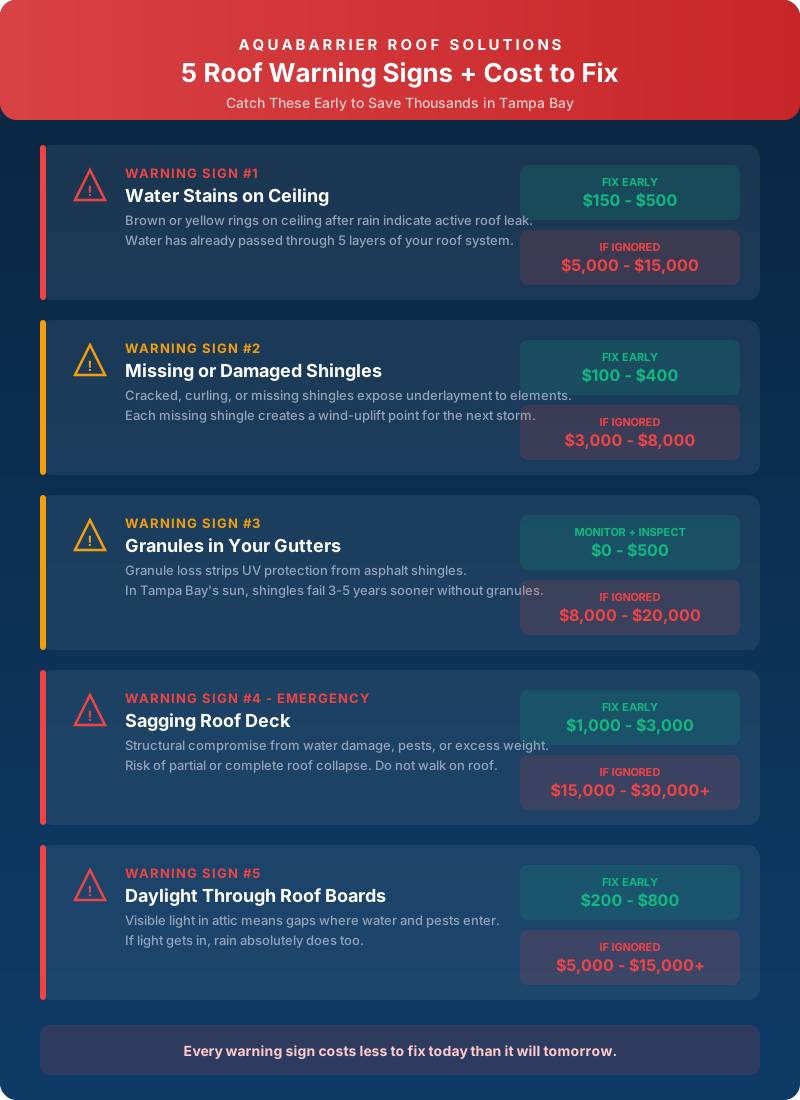
Ignoring roof warning signs doesn't save money - it dramatically increases the eventual repair cost. The table below illustrates how repair costs escalate when common issues go unaddressed in Tampa Bay's climate.
| Warning Sign | Cost if Addressed Early | Cost if Ignored 6-12 Months | Cost if Ignored 1-2+ Years |
|---|---|---|---|
| Water stains / active leak | $150 – $500 | $1,000 – $3,000 (rot, mold) | $5,000 – $15,000 (structural) |
| Missing shingles | $100 – $400 | $500 – $2,000 (underlayment damage) | $3,000 – $8,000 (decking replacement) |
| Excessive granule loss | $0 (monitoring) | $500 – $1,500 (spot repairs) | $8,000 – $20,000 (full replacement) |
| Sagging deck | $1,000 – $3,000 | $5,000 – $10,000 | $15,000 – $30,000+ (structural rebuild) |
| Daylight through boards | $200 – $800 | $2,000 – $5,000 | $5,000 – $15,000+ |
The pattern is clear: every warning sign costs less to fix today than it will tomorrow. Florida's heat, humidity, and storms accelerate deterioration far faster than in drier, cooler climates.
Frequently Asked Questions
How do I know if my roof leak is an emergency?
A roof leak is an emergency if water is actively dripping into your living space, if you notice a bulging or sagging ceiling (indicating pooled water above the drywall), or if the leak is near electrical fixtures or wiring. In these cases, contact a roofing professional immediately and, if necessary, place buckets to catch water and move valuables away from the affected area.
Can a roof leak cause mold in my home?
Yes - a roof leak can cause mold growth within 24-48 hours in Florida's warm, humid climate. Mold thrives in the dark, moist conditions created by water infiltration in attics and wall cavities. Mold remediation typically costs $1,500-$5,000 and poses serious health risks, especially for people with respiratory conditions.
Should I file an insurance claim for roof damage?
You should file an insurance claim if the damage was caused by a covered event (such as a storm, fallen tree, or hail) and the repair cost exceeds your deductible. Document all damage with photos before any repairs are made. For wear-and-tear issues like aging shingles or deteriorated flashing, insurance typically does not cover repairs as these are considered maintenance responsibilities.
How can I tell the difference between roof damage and normal wear?
Storm damage typically appears suddenly after a weather event and includes missing shingles, dented or cracked materials, and debris impact marks. Normal wear develops gradually and includes uniform granule loss, slow curling of shingle edges, and fading color. A licensed roofing professional can distinguish between the two - which matters significantly for insurance claims.
What is the best time of year to replace a roof in Tampa Bay?
The best time to replace a roof in Tampa Bay is during the dry season, from late October through May. This window offers lower humidity, fewer rain delays, and cooler working temperatures. Avoid scheduling a replacement during peak hurricane season (August-October) when weather is most unpredictable and roofing contractors are focused on emergency storm repairs.
Get Your Free Roof Inspection Today
Don't wait for the next storm to find out your roof isn't protecting your home. Our licensed team identifies current damage and problem areas before they become expensive repairs.
(813) 324-6813