How to File a Roof Insurance Claim in Florida (What Tampa Homeowners Need to Know)
A step-by-step guide to filing a roof insurance claim in Florida. Learn what adjusters look for, common claim denials, and how to document damage correctly in Tampa Bay.
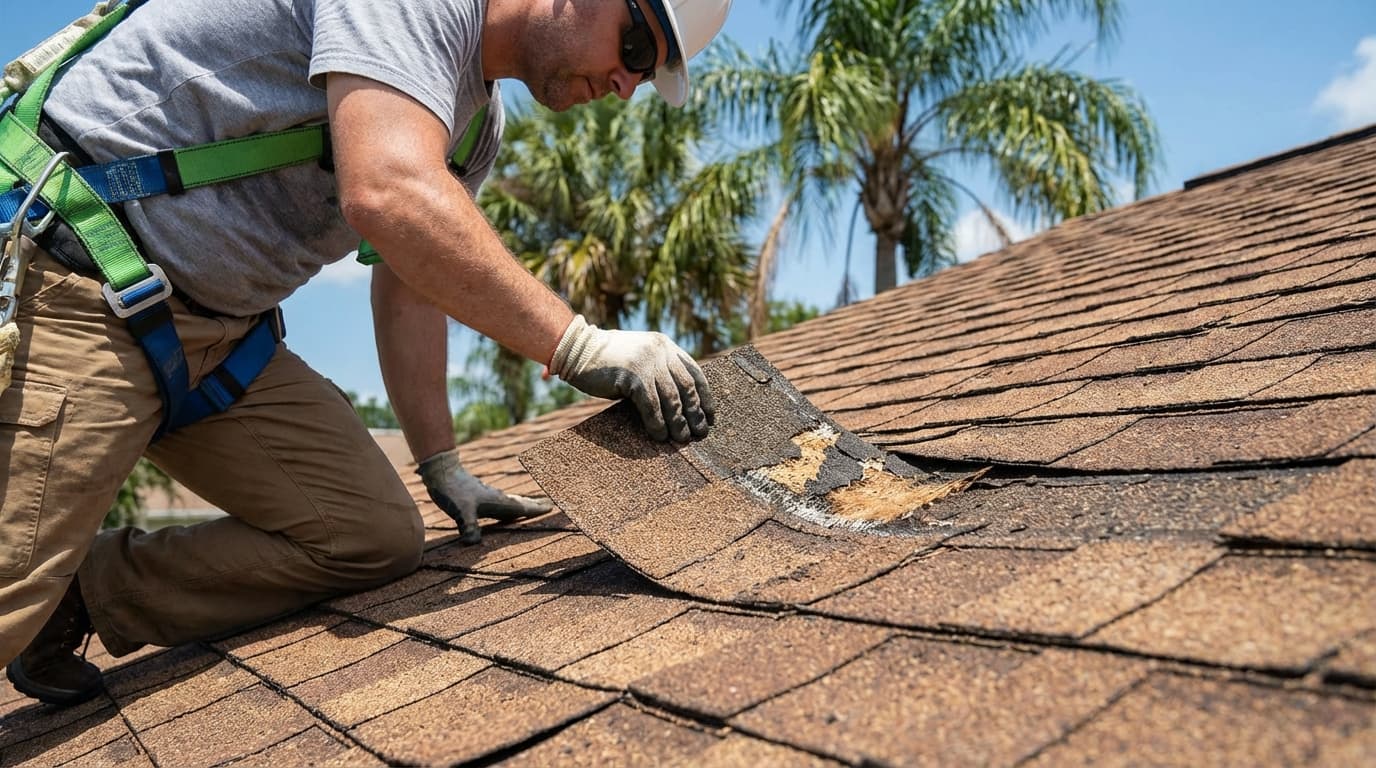
Florida's property insurance market is one of the most complex in the country, and roof claims are the most disputed line item in the state. After helping hundreds of Tampa Bay homeowners navigate the claims process, we've seen the same mistakes cost people thousands of dollars in denied or underpaid claims.
This guide covers what actually happens when you file a roof insurance claim in Florida — from the first call to your insurer through final payment — and what you can do at each stage to protect your outcome.
Does Florida Homeowners Insurance Cover Roof Damage?
Florida homeowners insurance covers roof damage caused by sudden, accidental events — primarily windstorms, hail, and falling objects. What it typically does not cover is damage from gradual deterioration, lack of maintenance, or general wear and tear.
The distinction matters enormously in practice. An adjuster who attributes your missing shingles to "age and weathering" rather than the last hurricane will deny the claim outright. Understanding how adjusters make that determination is the first step to protecting your claim.
Florida-specific rules that affect your claim:
- Actual Cash Value vs. Replacement Cost Value: Many Florida policies shifted to ACV coverage for roofs after 2022 legislation. ACV deducts depreciation, meaning a 15-year-old roof may pay out a fraction of replacement cost. Check your policy declarations page before filing.
- Hurricane deductibles: Separate from your standard deductible — typically 2% to 5% of your home's insured value. On a $400,000 home, that's $8,000 to $20,000 out of pocket before insurance pays.
- Assignment of Benefits restrictions: Florida law now limits AOB arrangements, so read any contractor paperwork carefully before signing anything that assigns your insurance rights.
Step 1: Document the Damage Before Calling Anyone
The single most important thing you can do after a storm is document everything before any repairs are made — including emergency tarping.
What to photograph and record:
- Full exterior shots of all roof faces from ground level
- Close-up shots of every area of visible damage — missing shingles, granule loss, dented ridge caps, damaged flashing
- Interior water stains or damage on ceilings and walls, with timestamps
- Any personal property damaged by leaks
- Date and time stamps on all photos
Do not attempt to walk on the roof yourself. Beyond safety concerns, footprint damage can give an adjuster grounds to argue you caused additional damage.
If a contractor provides emergency tarping, photograph the damage thoroughly before the tarp goes on. Once the tarp is in place, the adjuster may only see covered areas and underestimate the scope.
Step 2: Review Your Policy Before Filing
Pull your declarations page and read your policy's roof coverage section specifically. Note:
- Whether you have ACV or RCV coverage for the roof
- Your hurricane deductible vs. standard deductible
- Any exclusions for specific materials (some policies exclude certain tile types)
- Your claims filing deadline — Florida requires prompt notice, and many policies specify 60 to 72 hours post-storm
Most Tampa Bay homeowners have never read their roof coverage terms. Knowing your policy before the adjuster visit lets you ask informed questions and challenge findings that don't match your coverage.
Step 3: File the Claim and Request a Copy of Everything
Call your insurer's claims line or file online. When you do:
- Get a claim number immediately and write it down
- Ask for the name of the adjuster assigned to your claim
- Request a copy of the adjuster's inspection report after the visit
- Ask specifically whether the adjuster is a company employee or an independent adjuster
Florida allows you to be present during the adjuster's inspection. We strongly recommend it. Adjusters complete dozens of inspections per week following major storms — your presence helps ensure nothing is missed.
Step 4: Get an Independent Roof Inspection Before the Adjuster Arrives
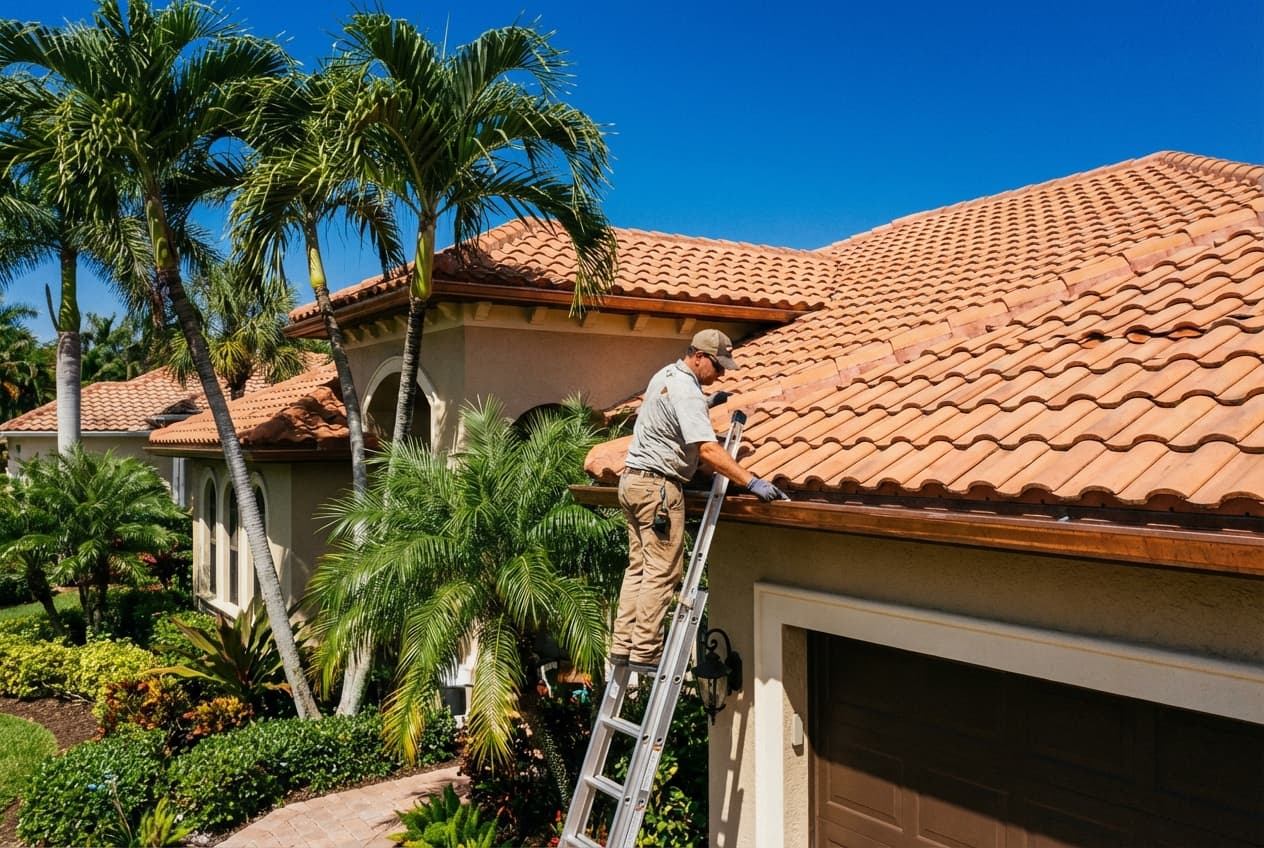
Hiring a licensed roofing contractor to inspect your roof before the insurance adjuster provides two advantages.
First, you get an objective assessment of damage scope that you can reference during the adjuster visit. Second, if the adjuster misses items, your contractor's report creates a documented record for a supplemental claim.
A good contractor inspection for insurance purposes will include:
- Written damage description by roof section
- Photographs with location references
- Material identification (shingle type, age estimate, manufacturer)
- Measurement of affected areas in square feet
- Notation of pre-existing vs. storm-caused damage
At AquaBarrier, our inspection reports are formatted to be readable by adjusters and include the documentation language Florida insurers expect. We provide these at no charge because an accurate claim benefits everyone — including avoiding disputes later.
Step 5: The Adjuster Inspection
Be home for the inspection. Walk the property with the adjuster and point out every area your contractor identified. Do not assume they will find items on their own.
Questions to ask the adjuster:
- What is the cause of loss determination for each area?
- Is any damage being attributed to wear or maintenance rather than storm?
- What is the depreciation calculation for my roof age?
- What is the estimated repair vs. replacement scope?
If the adjuster's assessment differs significantly from your contractor's report, note the discrepancy on the spot and ask for their reasoning in writing.
Step 6: Review the Estimate and Supplement if Needed
After the inspection, you'll receive an estimate in Xactimate format — the standard estimating software Florida adjusters use. Review it line by line against your contractor's estimate.
Common items that get missed or undervalued:
- Decking replacement: Adjusters often scope only surface materials; water-damaged decking underneath frequently needs replacement
- Code upgrades: Florida building code may require upgrades (drip edge, underlayment changes) when more than 25% of the roof is repaired
- Permit costs: Required for most roof work in Hillsborough County
- Disposal and haul-off: Often underestimated
- Flashing replacement: Frequently omitted when shingle replacement is approved
If your contractor identifies legitimate items missing from the adjuster's estimate, your insurer is obligated to consider a supplement. Submit it with documentation — photos, measurements, code citations — not just a different price.
Step 7: If Your Claim Is Denied or Underpaid
Florida law gives you options when you disagree with a claim outcome.
- Internal appeal: Request the insurer's formal dispute process first
- Public adjuster: A licensed public adjuster works on your behalf (not the insurer's) and typically charges 10% to 20% of the settlement
- Mediation: Florida's Citizens Insurance Mediation Program and private insurer mediation processes are available before litigation
- Appraisal clause: Many policies include an appraisal process where each side hires an independent appraiser and an umpire resolves disputes
The Florida Department of Financial Services handles complaints against insurers and can provide guidance on your rights. File a complaint if your insurer fails to acknowledge your claim within 14 days or fails to pay or deny within 90 days of filing.
What AquaBarrier Does to Support Your Claim
We work with insurance adjusters regularly and understand what documentation insurers need to process claims efficiently. Specifically, we provide:
- Free pre-claim inspection with written report formatted for insurance review
- Photo documentation with GPS-tagged timestamps
- Detailed written scope of work with material specifications
- Permit coordination with Hillsborough County
- Direct communication with your adjuster when you authorize it
We do not charge anything until work is approved and you're ready to proceed. Our license number is CCC1334952 — you can verify it on the Florida DBPR portal.
Questions Tampa Homeowners Ask About Roof Insurance Claims
How long does a Florida roof insurance claim take?
Standard claims take 30 to 90 days from filing to payment. Storm surge claims following named hurricanes can take longer due to claim volume. Florida law requires acknowledgment within 14 days and a decision within 90 days.
Can I choose my own roofing contractor for an insurance claim?
Yes. You are not required to use a contractor chosen by your insurer. Insurer-recommended contractors have a relationship with the insurer, not necessarily with you.
Will filing a roof claim raise my insurance rates?
Possibly. Florida insurers can surcharge for claims, and multiple claims within a few years may affect renewability. This is a real consideration for minor damage close to your deductible.
What if my roof is old? Will insurance still pay?
Age affects payout amount under ACV policies through depreciation, but does not automatically disqualify coverage for storm damage. A 20-year-old roof damaged by a named hurricane is still a covered loss — the payment will reflect depreciated value.
If you have storm damage and want an honest assessment before calling your insurer, call us at (813) 324-6813. We'll inspect for free and give you a clear picture of what you have before you file.